
Archaeology
⚖ Evidence at a glance
- 🔴 Unsubstantiated2
- ⚪ Insufficient data2
Latest

Top investigations

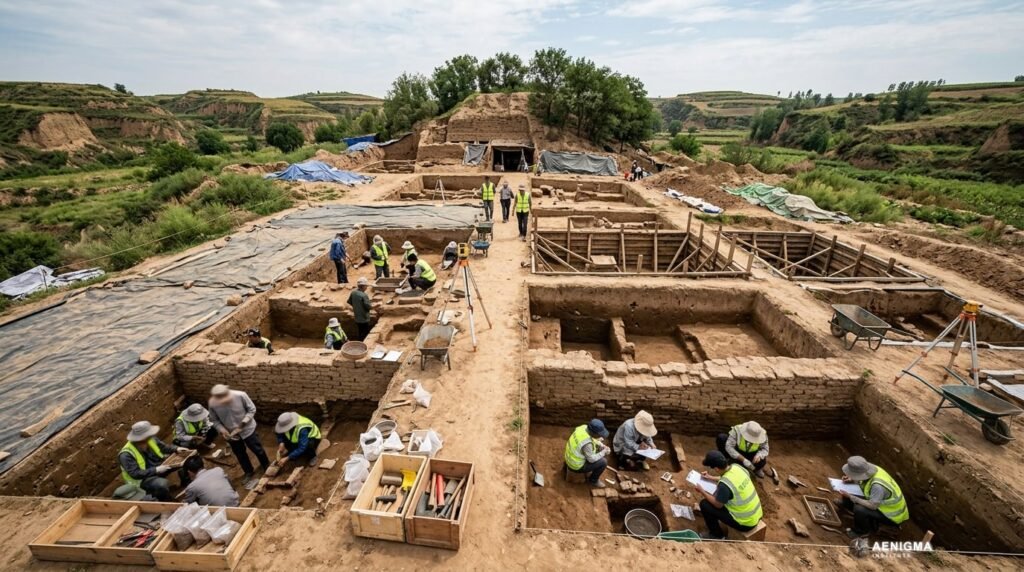
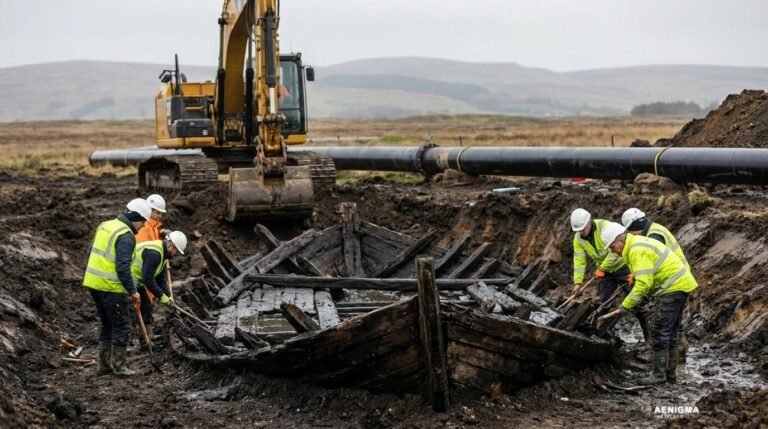
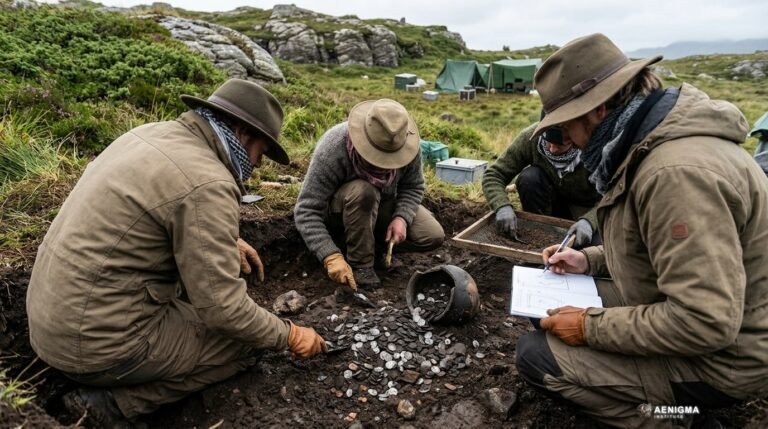
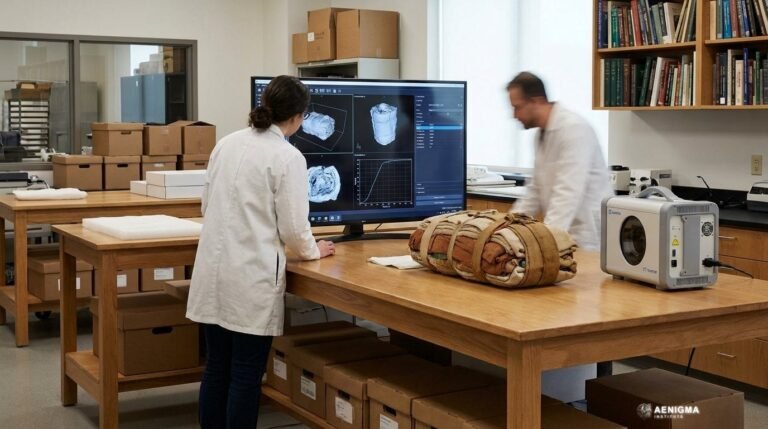
🌍 World pulse
- 🇫🇷 France7 stories
- 🇺🇸 United States4 stories
- 🇬🇷 Greece4 stories
- 🇷🇺 Russia2 stories
- 🇬🇧 United Kingdom1 stories
- 🇹🇼 Taiwan1 stories

How we rate evidence
Evidence
- Evidence 🟢 DocumentedVerified primary source, two or more independent corroborations, and instrument data or a peer-reviewed/official record.
- Evidence 🔵 SupportedVerified primary source and at least one independent corroboration.
- Evidence 🟠 DisputedCredible sources contradict each other.
- Evidence 🔴 UnsubstantiatedNo traceable or verifiable primary source.
- Evidence ⚪ Insufficient dataNot enough verified material yet — a normal, honest state.
Explanation
- Explanation ExplainedOne explanation is accepted.
- Explanation Partially explainedOne explanation leads, but is not settled.
- Explanation UnexplainedA documented observation with no leading explanation after several were tested.
- Explanation Not enough data yetWe do not know yet — and say so.
Bylines
Bylines marked "AENIGMA Editorial" are editorial pen names of the AENIGMA newsroom. Texts are written or adapted with AI assistance and reviewed by the editor before publication; the evidence label always comes from the sources, never from the byline.