Evidence: Unsubstantiated Explanation: Not enough data yet
Hidden Roman village and what the Venus figurine really shows
Reports of a hidden Roman village and a lead Venus figurine have recently circulated in the media, capturing public interest in provincial archaeology. The discovery is attributed to an official archaeological team using controlled survey methods, though the findings currently remain unsubstantiated by peer-reviewed literature. Further excavation and material analysis are required to understand the site and evaluate claims regarding its potential connection to retired Roman soldiers.
Why AENIGMA is covering this
The reports of a hidden Roman village and a lead Venus figurine are covered because they intersect with significant public interest in antiquity and the processes of archaeological discovery. Stories of undocumented settlements capture the imagination, offering a tangible connection to the daily lives of people in the ancient world. They remind the public that the landscape still holds unwritten chapters of history waiting to be systematically studied. However, covering such reports also necessitates a commitment to responsible information dissemination. By clearly separating the observed facts—the reported use of a controlled metal detector survey by professionals—from the unverified interpretations regarding veteran inhabitants, the public is provided with a realistic view of how archaeological knowledge is constructed. This approach demystifies the scientific process, highlighting that true discovery lies in context and analysis, not just the unearthing of objects. Crucially, this coverage emphasizes the importance of site protection. By deliberately withholding exact geographical directions and topographical details, the publication actively participates in the preservation of cultural heritage. Undocumented sites are highly vulnerable to illicit metal detecting and looting, which destroys the fragile stratigraphic context required for scientific study. Once an artifact is removed from its original resting place without proper documentation, its historical value is permanently lost. Highlighting the rigorous, controlled methods used by official archaeological teams serves to educate the public on the difference between systematic heritage recovery and the destructive removal of artifacts. This reinforces the necessity of leaving such investigations to trained professionals who can ensure the site's data is preserved for future generations.
What happened
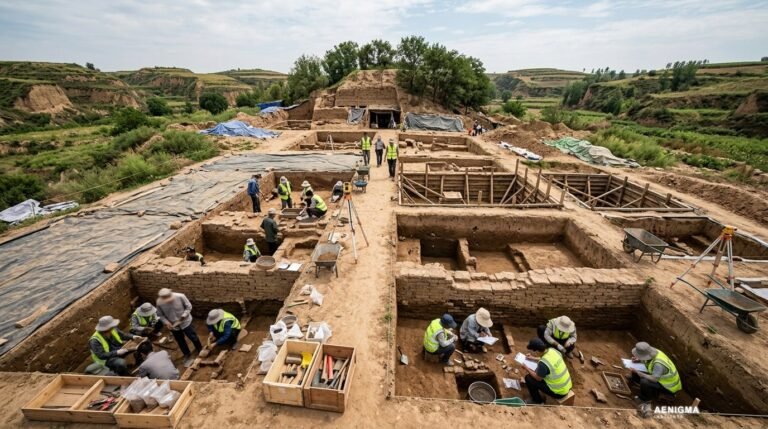
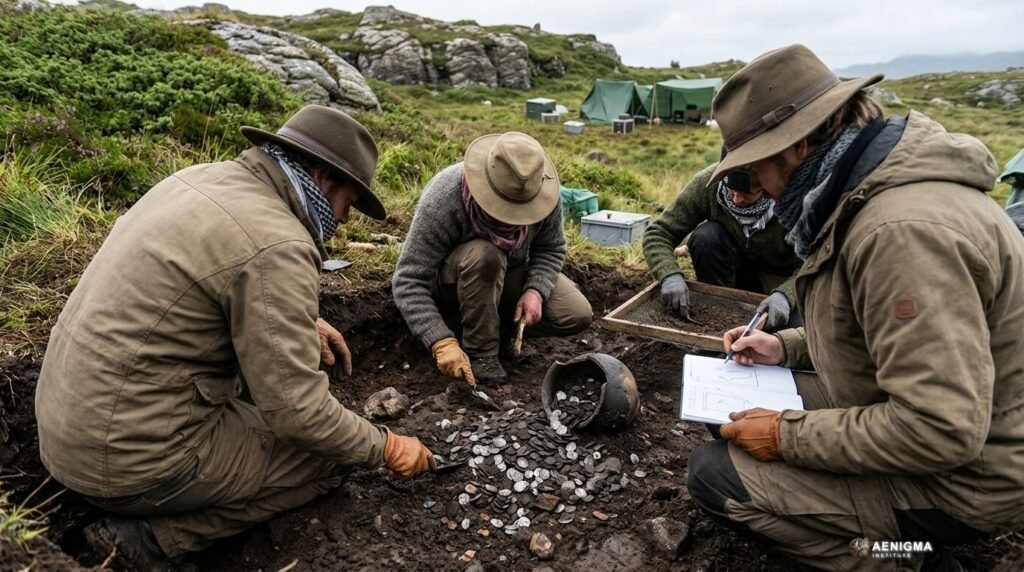
Recent media reports, notably from the Greek news outlet enikos.gr, have highlighted the reported discovery of a previously undocumented ancient settlement located within a forested area. According to the publication, an archaeological team has identified the remains of a rural site. The most prominent artifact mentioned in these initial media accounts is a small lead figurine depicting the goddess Venus, known in the Greek pantheon as Aphrodite. Such reports frequently capture public imagination by offering a glimpse into the everyday lives of ancient provincial populations. It is crucial to clarify that the discovery of this artifact was not the result of random or unauthorized searching. The reports indicate that a metal detector was utilized during the discovery process. However, this instrument was employed strictly as a controlled survey tool by an official archaeological team. In modern archaeological practice, metal detectors are frequently used alongside other non-invasive technologies to systematically map the distribution of subsurface metallic artifacts before any large-scale excavation begins. This controlled approach ensures that the spatial context of every artifact is meticulously recorded. The preservation of the site's stratigraphy is paramount for future scientific study, as the layers of soil hold the chronological key to the settlement's history. To protect the integrity of the ongoing archaeological investigation and to prevent unauthorized access, the exact geographical directions and specific topographical markers associated with the site have been deliberately omitted from this assessment. Unregulated access to unexcavated sites often leads to the irreversible destruction of this fragile stratigraphic record. The current evidence status for the claims made in the media report is classified as UNSUBSTANTIATED. Furthermore, the explanation status regarding the nature of the settlement is classified as INSUFFICIENT_DATA, reflecting the preliminary nature of the information currently available to the public.
What we know
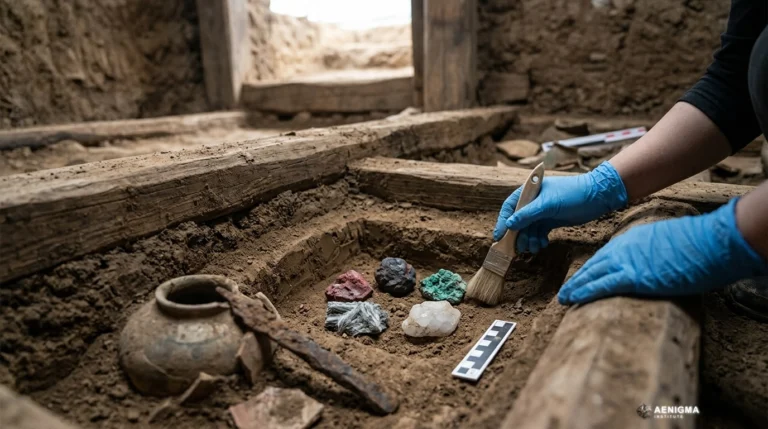
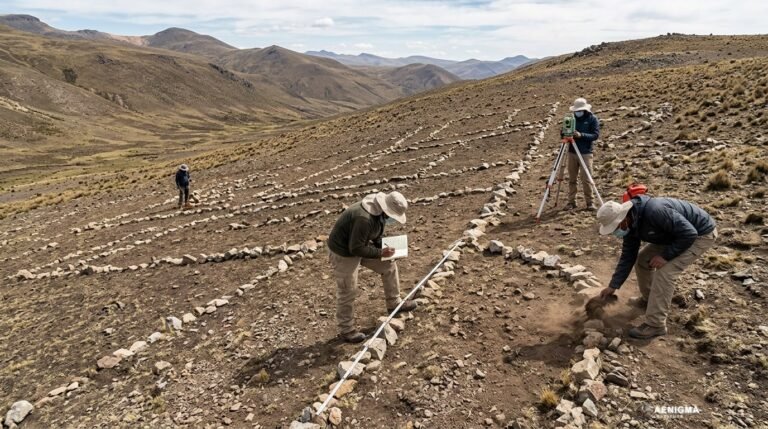
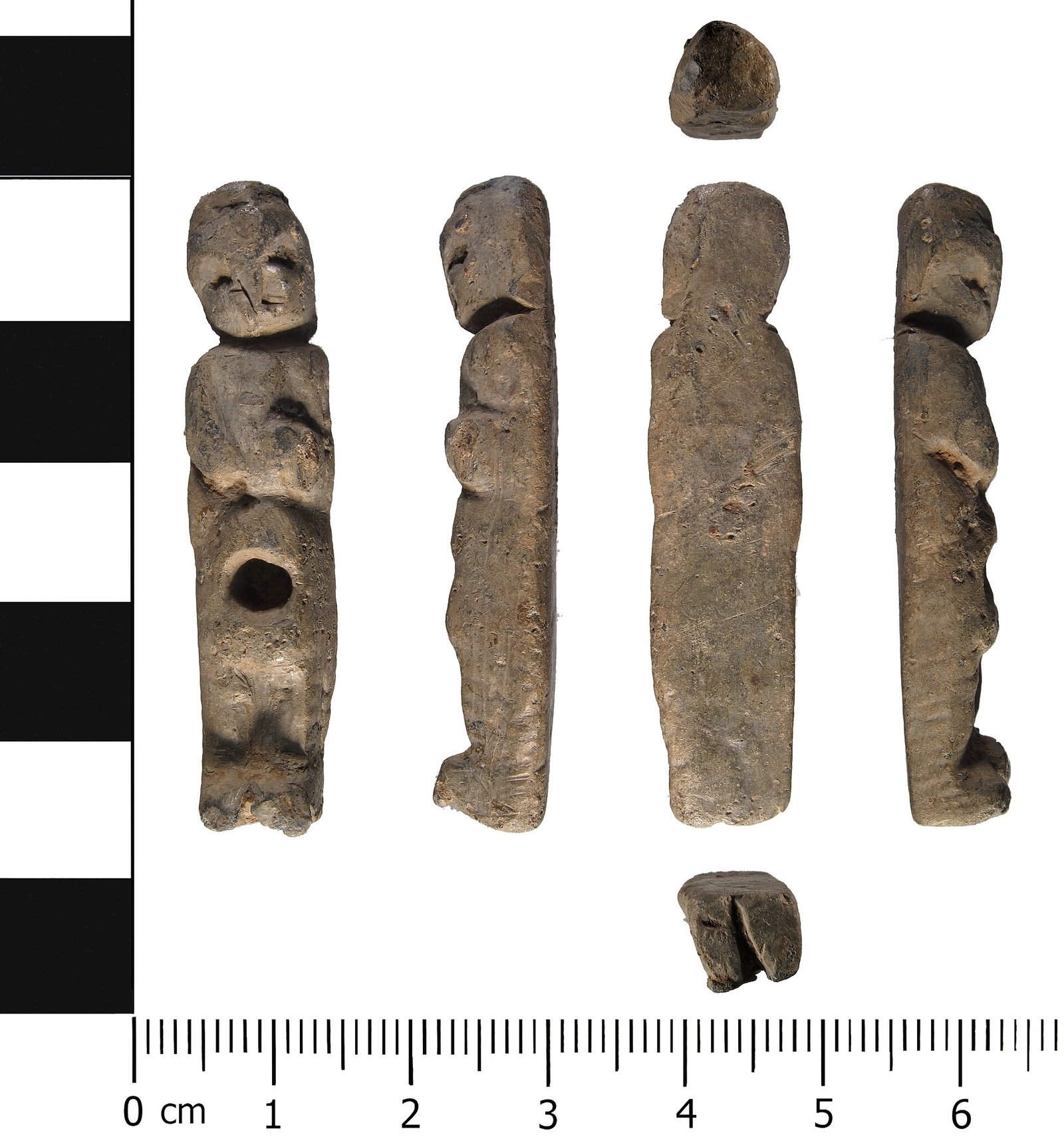
While the specific details of this newly reported site remain under investigation, the broader context of Roman provincial archaeology provides a well-established framework for understanding such discoveries. Lead figurines, while perhaps less frequently highlighted in popular media than their bronze or marble counterparts, are a recognized category of artifact within the Roman world. Lead, or plumbum, was a relatively inexpensive and highly accessible material during antiquity. It was often produced as a byproduct of silver mining, making it abundant across various provinces of the Roman Empire. Its low melting point made it an ideal medium for mass-producing small objects using simple piece-molds. Figurines of Venus were particularly common across the Roman Empire, reflecting her widespread veneration. As the goddess of love, beauty, and fertility, Venus was a central figure in both state religion and private domestic worship. Small statuettes of deities were frequently kept in household shrines, known as lararia, where families would offer daily prayers and small sacrifices. Alternatively, such figurines were often purchased and deposited as votive offerings at rural sanctuaries or temples to seek the deity's favor. The presence of a Venus figurine in a rural settlement could indicate domestic religious practice, a localized cult site, or simply the personal possession of an inhabitant. The concept of a 'hidden' ancient village typically refers to a rural settlement, such as a vicus (a small civilian settlement) or an agricultural estate, that lacks the monumental stone architecture characteristic of major Roman cities. Because these settlements were often constructed using timber, wattle and daub, and other perishable materials, their structural remains do not survive above ground. Consequently, they remain invisible to the naked eye and are often obscured by centuries of forest growth or agricultural activity. Archaeologists locate and study these ephemeral sites through systematic field surveys. When utilizing metal detectors in a professional capacity, researchers do not simply dig at the first sign of a signal. Instead, the survey area is divided into a precise grid. Operators walk along defined transects, and when a metallic response is registered, the exact GPS coordinates are logged. The artifact is then carefully exposed, often leaving it in situ until its stratigraphic context can be evaluated. This rigorous methodology allows archaeologists to create detailed distribution maps. Concentrations of specific artifacts—such as nails, coins, or lead objects—can reveal the layout of the settlement, indicating where domestic dwellings, workshops, or communal areas were once located. AENIGMA's publisher, NOETIC Lab, makes the X6 ground-scanning equipment used in field surveys.
What we don't know
Because the current evidence status is UNSUBSTANTIATED and the explanation status is INSUFFICIENT_DATA, there are significant gaps in our understanding of this specific site. Primarily, we do not know the exact chronological framework of the settlement or the figurine. The Roman period spans several centuries, encompassing significant shifts in material culture, economic networks, and religious practices. Without detailed stylistic analysis of the Venus statuette or corroborating datable evidence—such as diagnostic pottery sherds or securely identified coinage—it is impossible to determine precisely when the village was active. Furthermore, the exact archaeological context of the lead figurine remains unknown. We do not know if the artifact was recovered from a secure, sealed stratigraphic layer, such as the floor of a domestic structure or a dedicated votive pit. Alternatively, it may have been found in the disturbed topsoil, where agricultural plowing or natural erosion could have displaced it from its original location. The context is critical for interpretation; a figurine found in a household shrine tells a different historical story than one found in a refuse pit or a burial context. We also lack data regarding the overall size, layout, and primary function of the 'hidden' village. It is not yet known whether this was a small cluster of agricultural dwellings, a specialized production center focused on exploiting local resources, or a waystation along a minor Roman road. Such waystations, known as mansiones or mutationes, were vital components of the Roman communication network, but their archaeological footprints can closely resemble standard agricultural settlements. The demographic makeup of the inhabitants is similarly unconfirmed. While there are hypotheses regarding who may have lived there, the physical evidence required to definitively identify the population's social or occupational status has not been presented in the available reports. Finally, we do not know the full extent of the archaeological team's findings. Media reports often focus on a single, visually appealing artifact—such as a statuette of a recognizable deity—while omitting the less glamorous but scientifically crucial bulk finds. These bulk finds, such as animal bone fragments, slag from metalworking, or coarseware pottery, provide the foundational data for understanding daily life, diet, and economy in antiquity. Until a comprehensive preliminary report is released by the excavators, the full scope of the discovery remains obscured.
What is claimed
The primary claim presented in the media report is that an official archaeological team has discovered a previously unknown ancient village in a forested area, highlighted by the recovery of a lead statuette of the goddess Venus. Beyond the initial discovery, a specific competing explanation has been proposed regarding the identity of the settlement's ancient inhabitants. It is hypothesized that the village may have been populated by retired Roman soldiers. This hypothesis is rooted in well-documented Roman historical practices. The Roman military apparatus relied heavily on a system of honorable discharge, known as honesta missio. Upon completing their standard term of service—typically 20 to 25 years, depending on the era and the specific branch of the military—veterans were granted various rewards. These often included a substantial cash bonus (praemia militiae) or, crucially, grants of land. The settlement of veterans in provincial territories was a deliberate strategy employed by the Roman state. It served multiple purposes: it provided a livelihood for retired soldiers, it established loyal populations in newly conquered or frontier regions, and it acted as a catalyst for Romanization. Veterans brought Roman customs, language, and economic practices to rural areas, often integrating with local populations. Veterans often settled together in formal colonies (coloniae) or formed smaller, informal communities (vici) near the forts where they had served. If the claim that this hidden village was a veteran settlement is accurate, it would suggest a community with a distinct socio-economic profile. Veteran settlements typically exhibit a blend of Roman military culture and local provincial traditions. The inhabitants would likely have possessed a higher degree of disposable income compared to standard rural farmers. This economic advantage might be reflected in the quality of their material possessions, their access to imported goods, and their religious practices. However, as noted in the available information, this remains a hypothesis that requires specific types of material evidence to move beyond the realm of possibility.
What is verified
At this stage, none of the specific claims regarding the hidden village, the lead Venus figurine, or the potential presence of retired Roman soldiers have been independently verified through the standard channels of academic archaeology. The information currently available is derived from a single media source, enikos.gr, which is categorized as an unverified media report. In the field of archaeology, verification is a rigorous, multi-step process that extends far beyond the initial moment of discovery. For a site and its artifacts to be considered verified, the archaeological team must first complete their fieldwork, ensuring that all stratigraphic relationships and spatial data are meticulously recorded. Following the excavation or survey, artifacts such as the lead figurine must undergo professional conservation. Lead is highly susceptible to a specific type of corrosion often referred to as 'lead disease,' which can rapidly destroy the artifact if not properly stabilized in a laboratory setting. Conservation not only preserves the object but can also reveal fine surface details, such as casting marks or inscriptions, that may be obscured by centuries of soil accumulation and oxidation. Subsequent laboratory analysis is often required to fully understand the artifact's origins. For a lead artifact, this might involve lead isotope analysis, a technique used to determine the geological origin of the metal ore. This type of archaeometallurgical study can provide profound insights into ancient trade networks and local manufacturing capabilities. Most importantly, verification requires the publication of the findings in a peer-reviewed academic journal or a formal site report. This process allows independent experts to scrutinize the methodology, the data, and the interpretations put forward by the excavators. Until such documentation is published and subjected to peer review, the existence of the site, the context of the figurine, and the nature of the settlement remain unsubstantiated in the scientific record. The current status reflects the necessity of this rigorous process, ensuring that historical narratives are built upon a foundation of thoroughly vetted evidence.
Competing explanations
- Possible: The settlement may have been inhabited by retired Roman soldiers, though military equipment is needed to confirm this hypothesis.
What would change our assessment
To alter the current evidence status from UNSUBSTANTIATED and the explanation status from INSUFFICIENT_DATA, a substantial influx of verified, peer-reviewed data is required. The most critical requirement is the publication of a formal archaeological report detailing the survey methodology, the stratigraphic context of the finds, and a comprehensive catalog of the recovered artifacts. Without this foundational documentation, the site remains an isolated anecdote rather than a contributing data point in Roman provincial history. Regarding the specific hypothesis that the settlement was inhabited by retired Roman soldiers, the assessment notes that military equipment is needed to confirm this possibility. In archaeological terms, this refers to the discovery of militaria—distinctive items associated with the Roman army. While veterans were technically civilians, they frequently retained elements of their military identity. Archaeologists look for specific artifacts such as fragments of armor (lorica), weapon components, or distinctive military belt fittings (cingulum). The presence of specialized military footwear hobs (clavata calceamenta) or horse harness pendants can also indicate a veteran presence. Furthermore, epigraphic evidence would drastically change the assessment. The discovery of inscribed materials, such as a military diploma (a bronze tablet granting citizenship and discharge rights) or a stone altar bearing a dedication by a named veteran, would provide definitive proof of the inhabitants' identities. To fully understand the site, extensive stratigraphic excavation would be necessary. Revealing the ground plans of the structures would allow archaeologists to determine if the architecture aligns with known Roman rural domestic patterns. Additionally, a broader analysis of the ceramic assemblage and the faunal remains (animal bones) would provide essential data on the community's diet, economy, and trade connections. This multidisciplinary approach is required to move the understanding of the site from a preliminary media report to a documented historical reality.
Sources
- enikos.gr (supports, unverified)
Protocol AENIGMA-EF-0.1