Evidence: Insufficient data Explanation: Not enough data yet
Inka rituals: What llama sacrifices and coca leaves really show
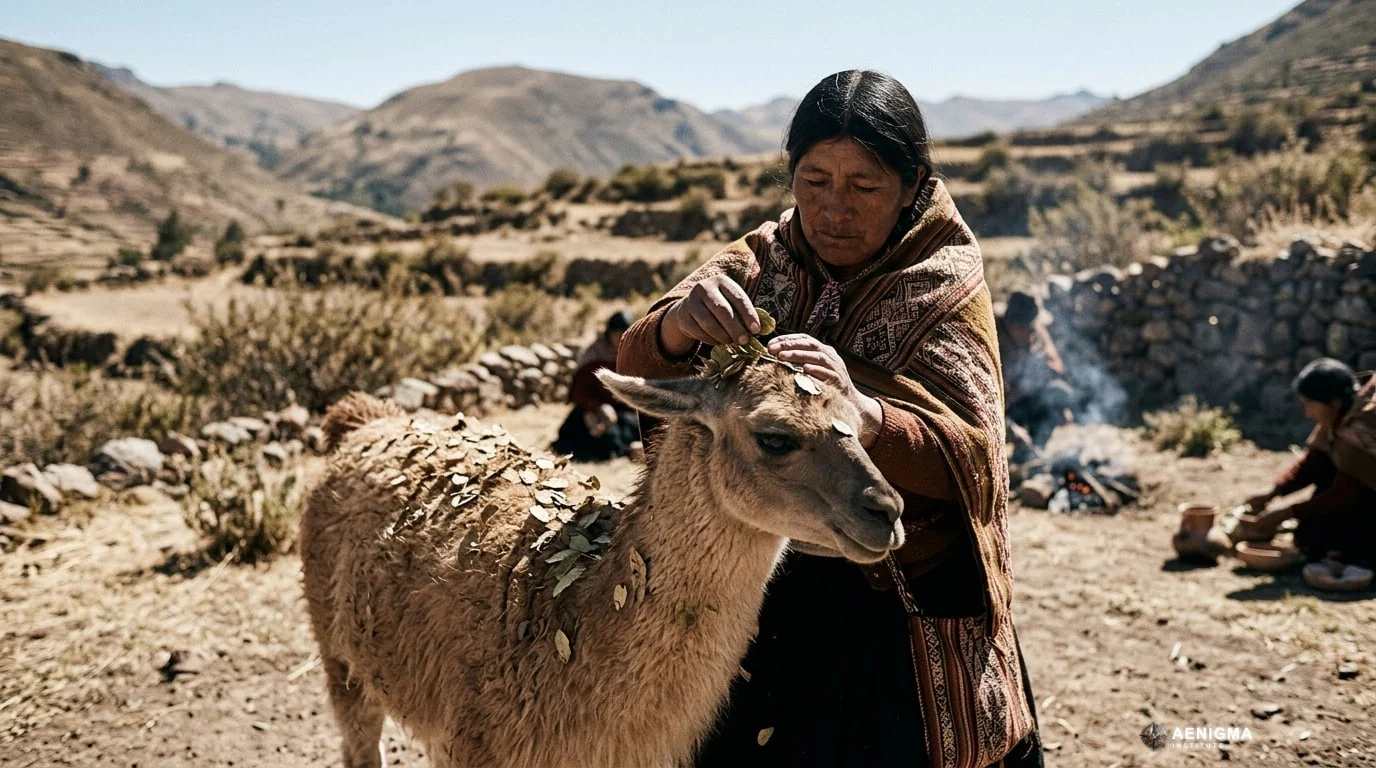
Inka rituals often involved the sacrifice of llamas, but recent excavations suggest a previously undocumented practice of scattering sacred coca leaves over the animals. Physical evidence from the arid Acarí Valley contrasts with Spanish colonial accounts, offering a new perspective on imperial ceremonies.
Why AENIGMA is covering this
The intersection of physical archaeology and historical texts is a fundamental aspect of understanding past civilizations. This case from the Acarí Valley highlights the limitations of relying solely on written accounts, especially those produced by conquering powers with distinct cultural biases. The Spanish chronicles, while essential, offer an outsider's perspective on Inka life. The physical remains recovered from the earth provide a direct, unmediated connection to the actions of the people who performed these rituals. Examining these discrepancies allows for a more nuanced and accurate reconstruction of pre-Columbian history. The preservation of such fragile moments—leaves caught in wool—demonstrates the incredible potential of arid environments to capture snapshots of ancient behavior. Understanding the intricate details of Inka rituals, such as the combination of sacred llamas and sacred coca, provides deeper insight into the worldview, religious mechanics, and daily realities of one of the most complex societies in the ancient Americas. It underscores the importance of meticulous archaeological methodology in recovering the subtle traces of human action that history books often leave behind.
What happened
The Inka Empire, known as Tawantinsuyu, stretched across the vast and diverse landscapes of the Andes, encompassing coastal deserts, high mountain peaks, and lush cloud forests. Maintaining control over this massive territory required not only military and administrative prowess but also a complex system of religious rituals designed to appease the gods and ensure cosmic order. Animal sacrifice was a cornerstone of these religious practices, with llamas serving as the primary offering to deities such as the sun god Inti and the earth mother Pachamama. Recent archaeological work has brought new attention to the specific mechanics of these rituals. Excavations have uncovered sacrificed llamas with coca leaves physically stuck in their wool. This physical evidence points to a specific ceremonial action where the sacred leaves were scattered over the animals during the sacrificial rite. The discovery was detailed in the journal Ñawpa Pacha and subsequently reported by science news outlets like Phys.org. The presence of the leaves directly on the animal remains provides a tangible link to the fleeting moments of the ceremony. Coca leaves held immense spiritual and cultural significance in the Andean world, acting as a bridge between the human and the divine. While historical texts from the Spanish colonial period describe various aspects of Inka religion, they do not explicitly detail the practice of scattering coca leaves over sacrificial animals. This discrepancy highlights the ongoing dialogue between the written historical record and the physical archaeological evidence recovered from the ground. The arid conditions of the region where these remains were found played a crucial role in preserving such fragile organic materials, allowing modern researchers to observe details that would have otherwise decayed over the centuries.
What we know
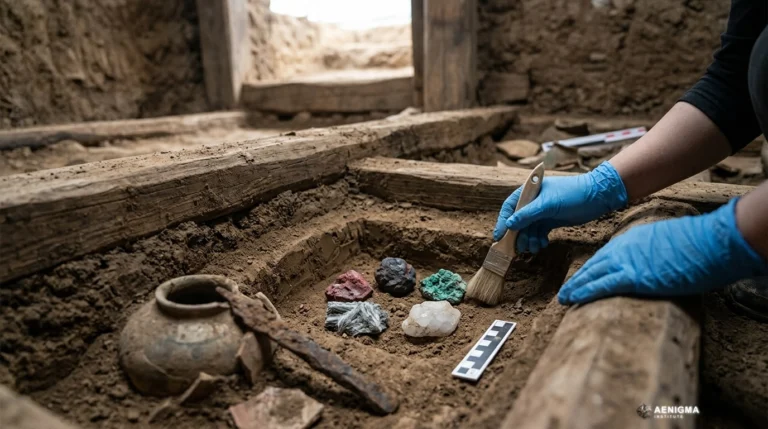
The preservation of organic material from the Inka period relies heavily on the specific environmental conditions of the burial environment. The Acarí Valley, located on the southern coast of Peru, is characterized by an extremely arid desert climate. This hyper-arid environment inhibits the growth of bacteria and fungi that typically break down organic matter, resulting in the exceptional preservation of textiles, human remains, animal tissues, and delicate plant materials. It is within this specific microclimate that the fragile coca leaves survived for centuries, remaining entangled in the thick wool of the sacrificed llamas. Llamas were integral to the Inka economy and spiritual life. As the only domesticated beasts of burden in the pre-Columbian Americas, they transported goods across the extensive Inka road system, provided wool for weaving essential garments, and offered meat for consumption. Beyond their practical utility, llamas were elevated to a sacred status. Flocks of llamas were dedicated to specific deities and maintained by the state and religious institutions. During major festivals, agricultural ceremonies, or times of crisis, these animals were sacrificed in large numbers. The color of the llama often dictated the specific deity it was offered to; for instance, white llamas were frequently dedicated to the sun. Coca leaves, derived from the Erythroxylum coca plant, were equally central to Andean culture. The leaves contain mild stimulants and were chewed to alleviate altitude sickness, suppress hunger, and provide energy for arduous labor. However, in the context of the Inka state, coca was a highly controlled substance with profound religious meaning. It was considered a divine plant, used as an offering in almost all significant rituals. Priests would burn the leaves, blow the smoke towards the mountain peaks, or bury them in the earth to nourish Pachamama. The physical evidence from the Acarí Valley demonstrates that the leaves were also used in direct conjunction with animal offerings. The leaves found stuck in the wool of the excavated llamas are a direct observation of the materials present at the time of burial. Archaeologists utilize careful excavation techniques, often using fine brushes and dental tools, to ensure that such delicate associations between different materials are not disturbed during recovery. The spatial relationship between the leaves and the animal remains is a critical piece of data that informs the understanding of the site.
What we don't know
Despite the clear physical presence of the coca leaves in the llama wool, several aspects of the ritual remain unknown. The exact sequence of events during the ceremony cannot be entirely reconstructed from the static archaeological record. It is not known at what precise moment the leaves were scattered—whether it occurred while the animals were being led to the sacrificial site, during the act of sacrifice itself, or as a final offering before the burial was sealed. The specific individuals who performed the scattering, their roles within the Inka religious hierarchy, and the words or prayers that might have accompanied the action are lost to time. Furthermore, it is not known if this practice was a widespread, pan-imperial standard or a localized variation specific to the Acarí Valley or the southern coastal region. The Inka Empire incorporated numerous diverse ethnic groups, and while the state imposed a unifying religion, local traditions often blended with imperial mandates. Without identical finds across different provinces of the empire, the geographic and cultural extent of this specific ritual action remains an open question. The exact symbolic meaning intended by the participants when scattering the leaves over the llamas is also a matter of interpretation rather than direct observation. While both llamas and coca were sacred offerings, the specific theological reason for combining them in this manner—perhaps to consecrate the animal, to send a dual message to the deities, or to purify the offering—is not explicitly recorded in the physical evidence. Additionally, the exact source of the coca leaves found in the Acarí Valley is not definitively known. Coca typically grows in the warm, humid environments of the eastern Andean slopes, meaning the leaves had to be transported over significant distances to reach the arid coast. The specific trade routes and logistical networks used to supply this ritual site are subjects of ongoing study.
What is claimed
Based on the physical association of the plant material and the animal remains, researchers suggest that the coca leaves were intentionally scattered over the llamas as a distinct part of the sacrificial ritual. This interpretation posits that the leaves were not simply placed in the grave as a separate offering, but were actively showered or sprinkled onto the animals, resulting in the leaves becoming lodged in the wool. This proposed action adds a dynamic element to the understanding of Inka ceremonies, suggesting a multi-sensory event involving the visual display of the sacred leaves falling upon the sacrificial animals. This interpretation is particularly notable because it contrasts with the surviving historical texts. Following the Spanish conquest of the Inka Empire in the 16th century, colonial administrators, priests, and chroniclers wrote extensive accounts of indigenous customs, religion, and history. These chronicles are invaluable resources for understanding the Andean past, but they are also fraught with biases, misunderstandings, and political agendas. The Spanish observers often viewed Inka religion through the lens of European Catholicism, sometimes misinterpreting or omitting details that did not fit their worldview or that they simply did not witness. The chronicles describe the sacrifice of llamas and the offering of coca leaves, but they do not document the specific act of scattering the leaves over the animals. The claim that this scattering occurred relies entirely on the primary archaeological evidence from the Acarí Valley. By highlighting this discrepancy, the research suggests that the physical record can reveal intimate ritual details that were either missed by the Spanish chroniclers, deemed unimportant to record, or perhaps kept hidden from foreign observers. The interpretation emphasizes the primacy of archaeological data in reconstructing the lived reality of pre-Columbian practices, especially when historical texts fall short or provide an incomplete picture.
What is verified
The verified facts of this case center on the physical materials recovered from the excavations in the Acarí Valley. It is documented that the remains of sacrificed llamas were excavated from the site. It is also a verified observation that intact coca leaves were found physically entangled within the wool of these animal remains. The arid environmental conditions of the Acarí Valley, which allow for the exceptional preservation of organic materials such as wool and plant matter, are well-established geological and climatic facts. The identification of the plant material as coca leaves and the animal remains as llamas has been confirmed through standard archaeological and biological analysis. Furthermore, it is verified that this research and its findings were published in Ñawpa Pacha, a peer-reviewed academic journal dedicated to Andean archaeology, and subsequently summarized in media reports by Phys.org. The historical reality that Spanish colonial chronicles exist and describe Inka religious practices, while omitting the specific detail of scattering leaves over llamas, is also a documented textual fact. The physical association between the leaves and the wool is the primary data point upon which the subsequent interpretations regarding the ritual actions are built.
Competing explanations
- Possible: Coca leaves were scattered over sacrificed llamas during Inka rituals, as evidenced by leaves found stuck in the wool of excavated llamas.
What would change our assessment
The current understanding of this ritual practice would be significantly expanded by the discovery of similar archaeological contexts in other regions of the former Inka Empire. If excavations in the highlands, the eastern slopes, or other coastal valleys were to reveal sacrificed llamas with coca leaves similarly lodged in their wool, it would indicate that this was a standardized, empire-wide practice rather than a localized custom. Conversely, if extensive excavations of Inka sacrificial sites consistently fail to produce this specific association, it might suggest that the Acarí Valley finds represent a unique regional variation or a specific response to a particular historical event. Further archaeobotanical analysis could also alter the assessment. Detailed study of the coca leaves, potentially including isotopic analysis, could pinpoint the geographic origin of the plants, shedding light on the trade networks and the movement of sacred goods required to supply the rituals on the coast. Advances in the study of the llama remains, such as analyzing their diet and origins, could provide a clearer picture of how the animals were selected and prepared for sacrifice. Additionally, the discovery of previously unknown or untranslated historical documents from the early colonial period that explicitly describe this scattering practice would bridge the gap between the archaeological evidence and the written record, providing historical corroboration for the physical findings.
Sources
- Phys.org (supports)
- Ñawpa Pacha (supports, primary)
Protocol AENIGMA-EF-0.1