Evidence: Unsubstantiated Explanation: Not enough data yet
Reports of Late Antiquity Mosaics Near the Aoos River
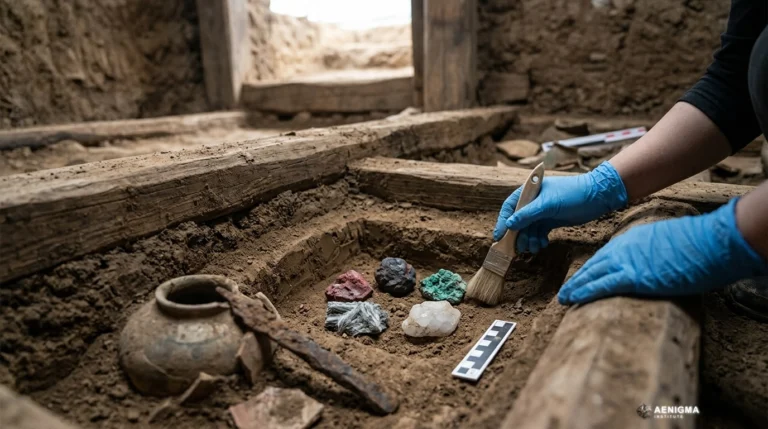
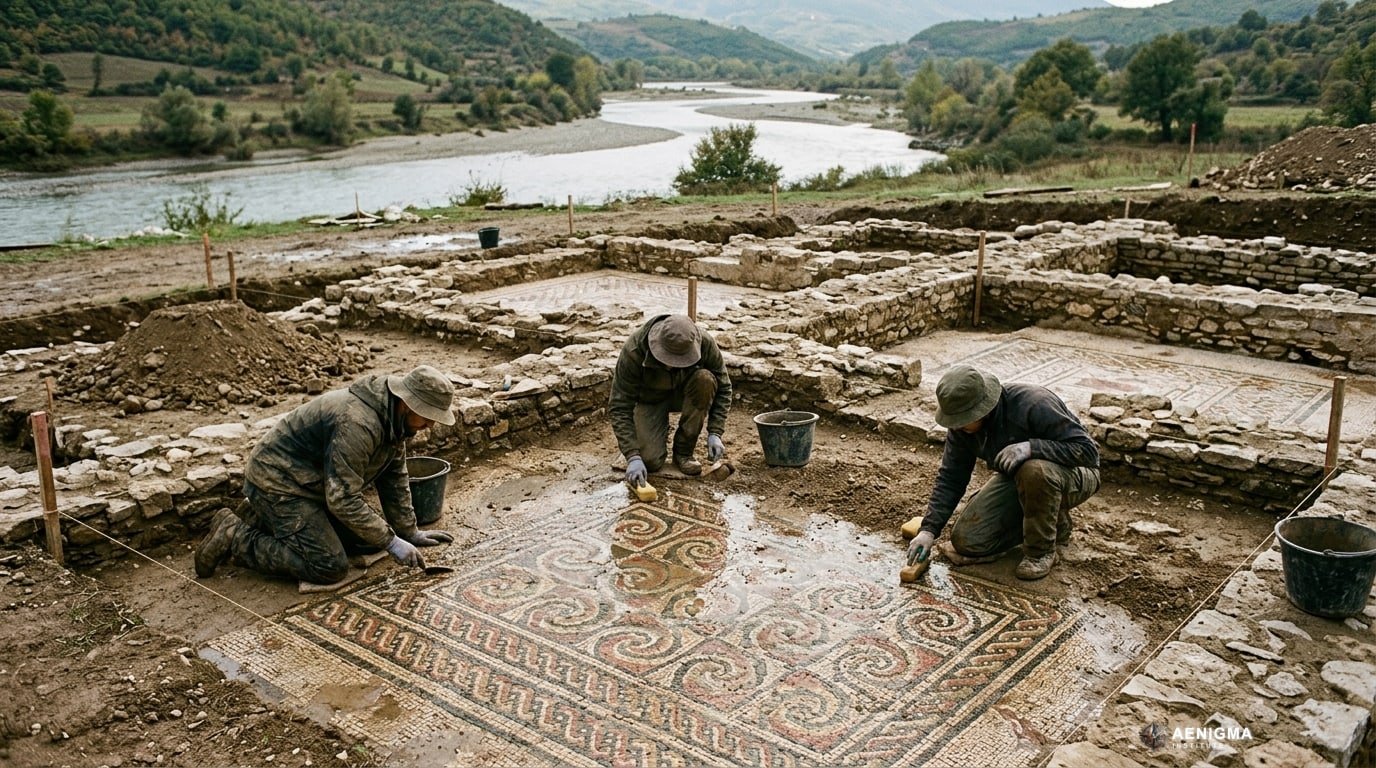
Media reports state that six mosaics dating back approximately 1,600 years have been discovered near the Aoos (Vjosa) river. The findings are reportedly associated with a Roman architectural complex, though the exact nature of the site remains under investigation. The evidence status is currently unsubstantiated, with insufficient data to confirm the site's specific function.
Why AENIGMA is covering this
The Aoos/Vjosa valley is an important area for understanding the historical landscape of Late Antiquity. Tracking reports from projects like the 'Landscape Archaeology in the Tepelenë-Memaliaj Region' provides insight into the region's transition from earlier Roman phases, even while initial findings await formal verification.
What happened
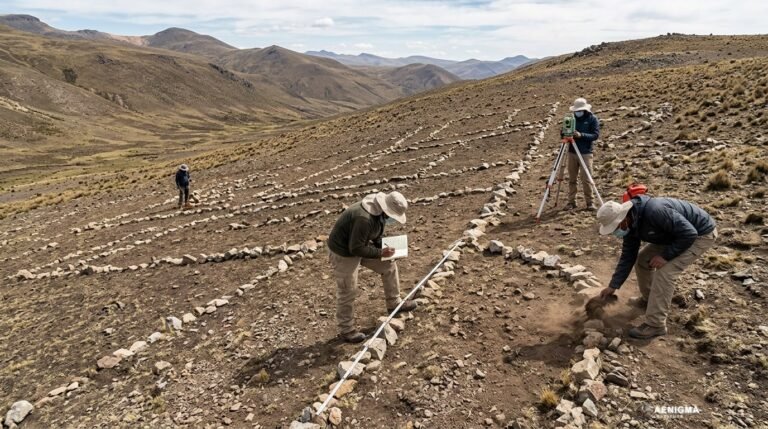
Media reports, including from enikos.gr, state that six mosaics have been discovered near the Aoos (Vjosa) river. The mosaics are reported to date back approximately 1,600 years, placing them in the Late Antiquity period. The discovery is discussed in the context of the broader 'Landscape Archaeology in the Tepelenë-Memaliaj Region' project.
What we know
Reports indicate the presence of six mosaics in the Aoos/Vjosa valley. The region holds historical significance, reflecting transitions through prehistoric, Roman, and Late Antiquity phases. The 'Landscape Archaeology in the Tepelenë-Memaliaj Region' project studies the archaeological record and historical landscape of this area.
What we don't know
The exact function of the architectural complex associated with the mosaics is not known. It is undetermined whether the site functioned as an elite residence, a settlement component, or another type of center. The specific iconography of the mosaics, the full dimensions of the site, and precise dating metrics are not detailed in the available data.
What is claimed
It is claimed that the mosaics represent a rare 1,600-year-old find. An explanation currently assessed as possible suggests the mosaics belong to a large Roman architectural complex, though its specific use remains under investigation.
What is verified
It is verified that the media outlet enikos.gr published a report supporting the discovery. However, the overall evidence status remains unsubstantiated, and the explanation status is categorized as having insufficient data.
Competing explanations
- Possible: The mosaics belong to a large Roman architectural complex, though its exact function—whether an elite residence, part of a larger settlement, or another type of center—remains under investigation.
What would change our assessment
The assessment would change with the publication of formal archaeological site reports, stratigraphic data, and peer-reviewed analysis of the mosaics and surrounding architecture. This data is required to determine the site's function and verify the age of the materials.
Sources
- enikos.gr (supports)
Protocol AENIGMA-EF-0.1