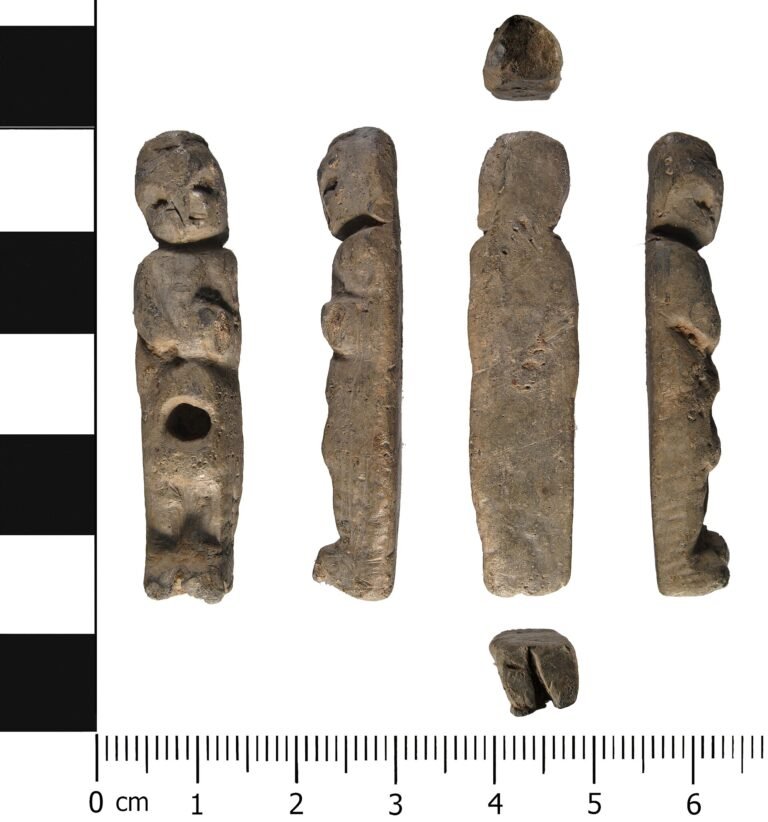
Evidence: Insufficient data Explanation: Not enough data yet
400-Year-Old Shipwreck Discovered During Pipeline Excavation in Germany
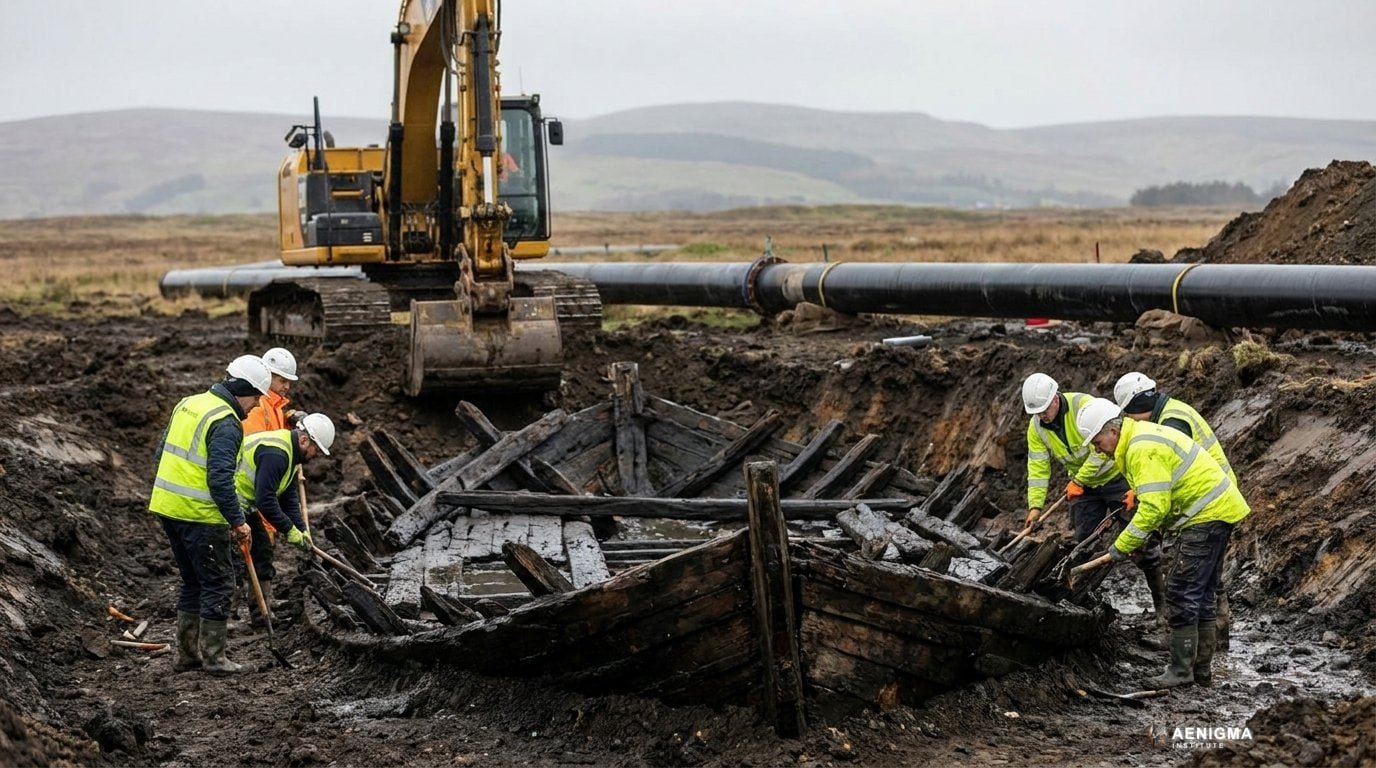
A shipwreck estimated to be 400 years old was discovered in Germany during excavation work for a pipeline. Dendrochronological analysis dates the wood to the early 17th century, though specific date ranges vary between primary and secondary reports. The overall evidence and explanation status for the site are currently classified as insufficient data.
Why AENIGMA is covering this
This event is covered to document the archaeological discovery made during infrastructure work and to clarify the discrepancies in dating and source attribution found in secondary media reports.
What happened
During excavation work for a pipeline in Germany, the remains of a shipwreck were uncovered. The discovery was reported by various media outlets and detailed in the International Journal of Nautical Archaeology.
What we know
The remains of a wooden ship were found during pipeline construction in Germany. Dendrochronological analysis indicates the wood dates to the early 17th century. The primary scientific report in the International Journal of Nautical Archaeology dates the wood to 1626-1639, whereas Greek media translations report the dates as 1615-1639. Among the recovered items is a yellow clay brick with holes.
What we don't know
The exact original function of the yellow clay brick is not known. The precise location of the shipwreck is not provided in the available material. The cause of the discrepancy in the dendrochronological dating between the English science report and the Greek media translations is not known.
What is claimed
Researchers suspect that the yellow clay brick with holes found on the wreck was used as a sharpening tool for drill bits, though this remains a possible explanation rather than a confirmed fact.
What is verified
It is verified that a shipwreck was found during pipeline work in Germany and that the findings were published in the International Journal of Nautical Archaeology. The existence of a dating discrepancy between the primary English report (1626-1639) and Greek media translations (1615-1639) is also verified.
Competing explanations
- Possible: A yellow clay brick with holes found on the wreck is suspected by researchers to be a sharpening tool for drill bits, though its exact original function remains unconfirmed.
What would change our assessment
Additional peer-reviewed analysis of the ship's structure, cargo, and artifacts would be required to clarify the vessel's origin, purpose, and exact age. More comprehensive data from the excavation site could change the current insufficient data status.
Sources
- Newsbomb (supports)
- Madata.GR (supports)
- gazzetta.gr (supports)
- ZME Science (supports, primary, unverified)
Protocol AENIGMA-EF-0.1