Evidence: Insufficient data Explanation: Not enough data yet
Lapérouse Expedition: What Twelve Newly Surfaced Letters Really Show
Twelve previously unknown letters tied to the lost Lapérouse expedition have resurfaced according to a report by French regional daily La Dépêche, offering potential personal testimony from the ill-fated voyage. The correspondence, linked to expedition physicist and mineralogist Jean-André Mongez, could provide rare non-official perspectives on the expedition before both ships vanished in the South Pacific in 1788. Because full archival authentication and comparative textual analysis are still pending, the historical record currently rests on insufficient data.
Why AENIGMA is covering this
The Lapérouse expedition occupies a unique position in the history of world exploration and French cultural memory. Commissioned during the twilight of the Ancien Régime, it represented the pinnacle of Enlightenment scientific ambition, bringing together advanced cartography, astronomy, botany, and ethnography in a state-sponsored maritime enterprise. The total disappearance of both frigates transformed the voyage into an enduring historical symbol of the perils of maritime navigation, inspiring successive generations of searchers, archaeologists, and archivists. Archival discoveries of this nature are exceptionally rare. While underwater archaeology at Vanikoro has yielded valuable physical relics, cannon, and personal items, organic materials such as journals and letters almost never survive prolonged submersion in tropical waters. Consequently, the only surviving voices of the men who sailed with Lapérouse are those preserved in letters sent back to France from intermediate ports. Private correspondence provides a vital counterweight to official state journals, revealing personal doubts, health crises, interpersonal friction, and unfiltered scientific curiosity that naval officers often omitted from formal logs. Covering this development ensures that the public can distinguish between initial media announcements and confirmed historical evidence. The rediscovery of historical manuscripts requires patience, meticulous paleographic verification, and open scholarly scrutiny before definitive conclusions can be drawn. Following the archival process allows readers to appreciate how historical knowledge is built, tested, and preserved over centuries.
What happened
A cache of twelve handwritten letters connected to the eighteenth-century Pacific expedition commanded by Jean-François de Galaup, comte de Lapérouse, has recently come to light in France. The regional daily La Dépêche reported the emergence of the documents, which were reportedly preserved in private hands for more than two centuries without prior public or scholarly notice. According to the report, the letters are attributed to Jean-André Mongez, a Catholic regular canon who served as one of the primary physicists, naturalists, and mineralogists aboard the expedition's flagship, La Boussole. The letters are described as personal correspondence drafted prior to the expedition's departure from Brest in 1785 and mailed home from various ports of call across the Atlantic and Pacific oceans. The final communications from the expedition were carried out of Botany Bay in New South Wales aboard European merchant vessels in early 1788, shortly before Lapérouse and his crews sailed into the Pacific and vanished entirely. The sudden reappearance of twelve distinct letters from a single scientific officer has captured the attention of maritime historians and archivist circles across France. Historians of Enlightenment exploration view any surviving contemporary document from the Lapérouse voyage as an extraordinary rarity, because the vast bulk of the expedition's scientific collections, personal journals, and navigational records were lost with the ships. The discovery has prompted calls for a systematic examination of the manuscripts to determine their exact provenance, verify their physical authenticity, and transcribe their full contents. If confirmed, the letters would represent one of the most substantial archival additions to the Lapérouse corpus in decades.
What we know
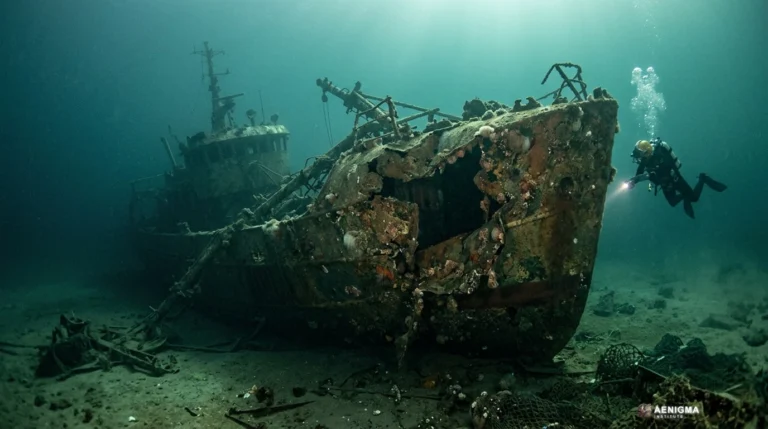
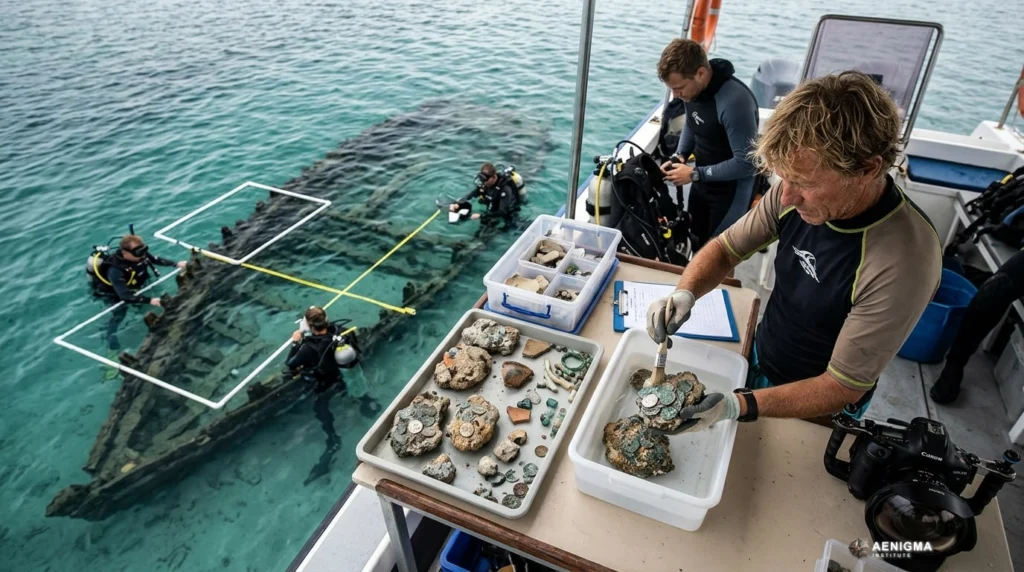
The broader historical context of the expedition is thoroughly documented in French state archives. In 1785, King Louis XVI commissioned Lapérouse to lead a massive global scientific and commercial voyage designed to rival the achievements of Britain's Captain James Cook. Two frigates, La Boussole and L'Astrolabe, were refitted and equipped with state-of-the-art scientific instruments, navigational tools, and extensive libraries. The expedition carried more than two hundred men, including elite astronomers, mathematicians, botanists, draughtsmen, and cartographers, alongside experienced naval officers and sailors. The voyage departed from Brest in August 1785, rounding Cape Horn into the Pacific and visiting Easter Island, Hawaii, Alaska, California, Macau, the Philippines, and the coasts of Kamchatka and Japan. At Petropavlovsk in Kamchatka, Lapérouse entrusted his initial journals, charts, and official reports to Jean-Baptiste Barthélémy de Lesseps, a young diplomat serving as the expedition's Russian interpreter. De Lesseps undertook an arduous overland journey across Siberia to Paris, successfully delivering the only official expedition journals and maps to survive from the first two years of the voyage. From Kamchatka, the two frigates sailed south to Samoa, where a violent encounter on the island of Tutuila resulted in the deaths of twelve crew members, including the commander of L'Astrolabe, Paul Antoine Fleuriot de Langle. The ships subsequently reached Botany Bay in New South Wales in January 1788, anchoring alongside the British First Fleet under Arthur Phillip. Lapérouse remained at Botany Bay until March 1788, using the opportunity to replenish provisions, repair rigging, and hand over further dispatches and personal mail to British naval vessels returning to Europe. After leaving Botany Bay on 10 March 1788, neither ship was ever seen again by European mariners. The fate of the expedition remained a profound mystery for nearly four decades, generating numerous rescue missions, literary tributes, and diplomatic inquiries throughout the French Revolutionary and Napoleonic eras. In 1826 and 1827, the merchant captain Peter Dillon gathered local oral histories and European artefacts on Tikopia and the neighbouring island of Vanikoro, in what is now the Solomon Islands. Subsequent investigations by Jules Dumont d'Urville in 1828 confirmed that both frigates had struck the treacherous coral reefs surrounding Vanikoro during a cyclone and sunk. Modern underwater excavations, notably major campaigns conducted in the late twentieth century and culminating in extensive work in 2003, confirmed the identities of the wrecks, recovered navigational instruments and cannon, and excavated human skeletal remains from the reef.
What we don't know
While the emergence of the twelve letters has been reported publicly, vital archival and material details remain unknown. The precise chain of custody that kept these manuscripts hidden for 238 years has not been published in detail. It is not publicly known whether the documents were retained continuously by descendants of Mongez's family, preserved uncatalogued within a private estate archive, or acquired recently through the commercial manuscript trade. Establishing an unbroken provenance is essential for validating historical paper collections, particularly those connected to renowned historical events. Furthermore, the complete transcriptions of the twelve letters have not yet appeared in an open, critical edition. Scholars have not yet had the opportunity to evaluate whether the letters contain new scientific observations, descriptions of natural history specimens, accounts of daily life aboard the frigates, or reflections on the mounting tensions experienced by the crew. It is also unknown whether the letters contain references to specific encounters with indigenous peoples that deviate from the official narrative Lapérouse prepared for the Ministry of Marine. Finally, technical material analyses have not yet been placed on record. It remains to be determined whether the paper stocks, watermarks, postal cachets, and ink chemistry match eighteenth-century standards and known dispatches forwarded from Botany Bay or other ports of call. Without these specific analytical results, scholars cannot definitively assess how many of the twelve letters represent original dispatches that travelled across maritime postal routes, contemporary scribal copies made by contemporaries in France, or drafts written prior to sailing.
What is claimed
The core claim reported by La Dépêche is that twelve distinct, previously unknown letters written by Jean-André Mongez have survived and represent an unprecedented window into the lost Lapérouse expedition. It is claimed that the letters reflect the direct voice of a key scientific participant, offering intimate and unfiltered reflections on the voyage rather than the polished, diplomatic language characteristic of official state dispatches. It is further claimed that these documents encompass writings drafted at multiple junctures of the expedition, beginning with the final preparations in Brest and extending through the long sequence of ports of call visited by the frigates before their final departure from Australia. The reporting emphasizes that the existence of this correspondence was entirely unsuspected by modern historians and archival specialists working on eighteenth-century maritime history. Those presenting the documents suggest that their textual content will enrich existing understandings of the intellectual environment aboard the ships, where Enlightenment naturalists sought to systematically categorize Pacific flora, fauna, and geography under challenging sea conditions.
What is verified
At present, the verified facts are modest and clearly bounded. It is verified that La Dépêche reported the rediscovery of twelve letters attributed to Jean-André Mongez and that the announcement has generated broad interest among regional and maritime historians in France. It is also historically verified that Jean-André Mongez served as an official scientific member of the Lapérouse expedition, serving aboard La Boussole until the voyage met its end at Vanikoro. Historical records confirm that Mongez was a scholar of substantial reputation prior to his departure, having worked as the editor of the Journal de Physique and contributing regularly to contemporary discussions on mineralogy, chemistry, and antiquarian studies. It is equally verified that officers and savants aboard the Lapérouse expedition routinely wrote private letters home, dispatching them whenever the ships encountered European merchant vessels or anchored in friendly ports. A number of letters from other expedition members survived and were preserved in family archives or collected in French national repositories. However, independent confirmation of the authenticity, physical integrity, and precise textual contents of this specific group of twelve newly reported letters has not yet been established through a formal archival publication.
Competing explanations
- Possible: The documents represent personal correspondence by expedition physicist and mineralogist Jean-André Mongez sent prior to departure and from ports of call up to Botany Bay.
What would change our assessment
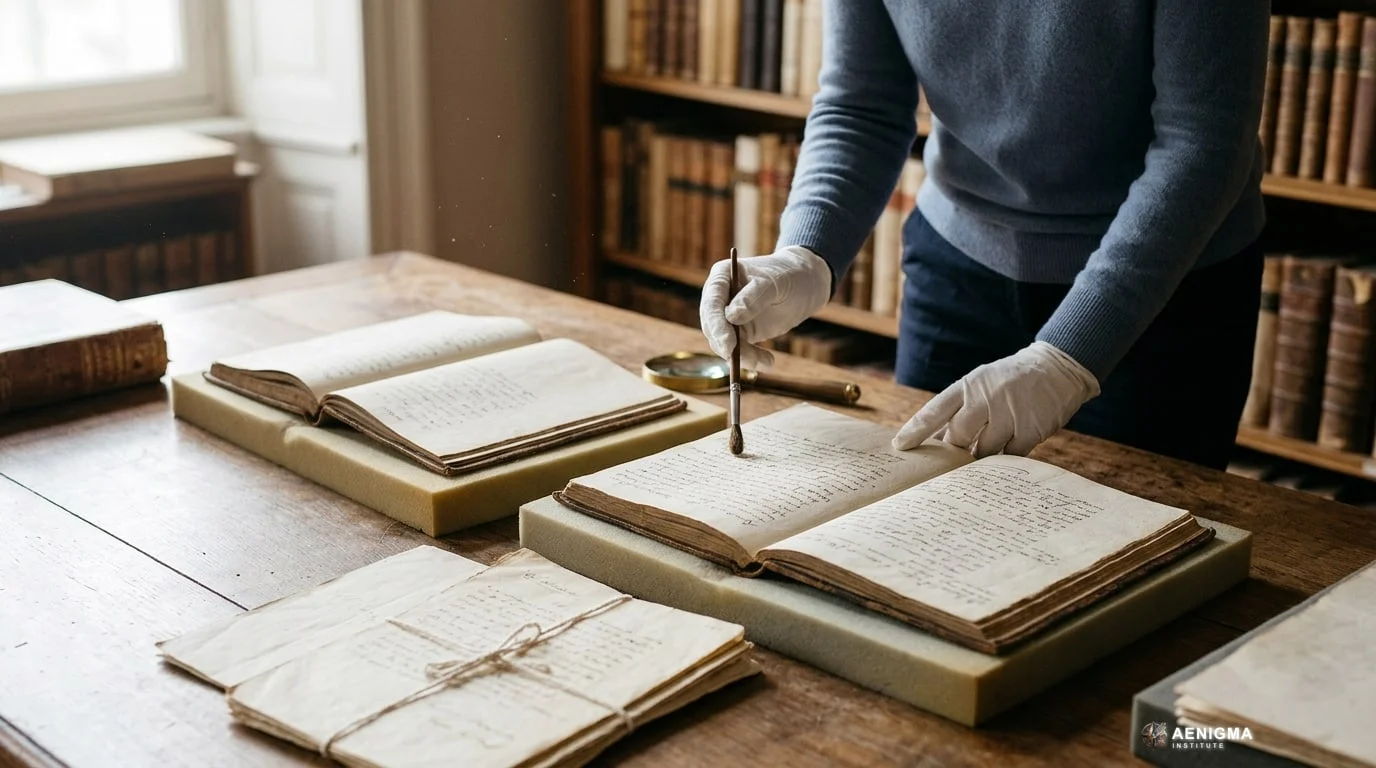
The assessment of this discovery would advance significantly with the publication of a rigorous material analysis of the manuscripts. Physical examination of the paper must include watermark identification, fiber analysis, and an evaluation of the iron gall ink used in the writing. Confirming that the postal markings, transit stamps, and seals align with late eighteenth-century postal practices—particularly the routes taken by British or Dutch vessels conveying mail from Botany Bay to Europe—would provide compelling physical proof of their journey. In addition to material science, thorough paleographic analysis would be required. Experts in late eighteenth-century French handwriting would need to compare the scripts in the letters against known surviving specimens of Mongez's handwriting preserved in French institutional archives, such as the Archives nationales or the Bibliothèque nationale de France. Demonstrating a clear stylistic, linguistic, and calligraphic match would firmly resolve any questions regarding authorship. Finally, the publication of a full critical edition containing annotated transcriptions and contextual commentary would allow the wider academic community to assess the historical importance of the find. If the text reveals consistent internal chronologies, corroborates shipboard events recorded in known logs, and contributes novel details regarding the scientific observations conducted aboard La Boussole, the status of the letters would shift from an unverified media report to a recognized archival discovery.
Sources
- La Dépêche (supports, primary)
Protocol AENIGMA-EF-0.1