Evidence: Supported Explanation: Not enough data yet
Nazi treasure myths: What the archives really show about the missing loot
The systematic plunder of Europe by the Third Reich left a complex legacy of recovered wealth and enduring postwar legends. While archives document massive verified recoveries by Allied forces, rumors of hidden hoards like the Polish Gold Train and Max Merten's sunken loot remain unproven.
Why AENIGMA is covering this
Examining the persistence of Nazi treasure myths is essential for understanding how history is processed, remembered, and sometimes distorted. The systematic plunder of Europe was a traumatic cultural and economic event that permanently altered the continent. The legends of lost gold often serve as a psychological coping mechanism, attempting to assign a tangible, recoverable location to wealth and heritage that was violently erased. By contrasting the verified, archival reality of the Monuments Men and the Merkers Mine with debunked rumors like the Polish Gold Train, we can better appreciate the rigorous methods required to uncover genuine history. It highlights the critical importance of relying on documented archives, institutional research, and scientific investigation rather than being swept away by the enduring allure of a modern myth. Understanding the origins of these stories helps separate the very real historical tragedy of wartime looting from the fictionalized treasure hunts that continue to capture the public's imagination.
What happened
The collapse of the Third Reich in the spring of 1945 created a landscape of unprecedented chaos across the European continent. The final months of World War II saw a massive, desperate movement of stolen wealth, priceless art collections, and central bank reserves. As Allied forces advanced from the west and Soviet forces from the east, Nazi officials scrambled to hide the evidence of their systematic, continental plunder. This frantic dispersal of assets created a historical reality of hidden caches, which quickly morphed into a sprawling, enduring mythology of lost Nazi gold. Across Europe, local legends emerged about secret alpine bunkers, sunken submarines, and buried trains holding unimaginable riches. In Greece, these stories often center on the dark legacy of Max Merten, the German military administration official in Thessaloniki, and the immense wealth extorted from the city's Jewish population before their tragic deportation. In Poland, rumors persisted for decades about an armored train laden with gold sealed inside a mountain tunnel in the Lower Silesia region. These narratives blend the very real trauma of systematic theft with the human fascination for lost treasure. The historical record, maintained by institutions like the Harry S. Truman Library and the Monuments Men and Women Foundation, shows a clear division between what was actually recovered in the aftermath of the war and the phantom hoards that continue to captivate the public imagination. Understanding this phenomenon requires looking at both the documented archives and the psychological impact of the war's massive cultural and economic displacement. The sheer scale of the looting, involving millions of artworks, tons of gold, and the entire economic foundation of targeted communities, made it entirely plausible to the postwar public that vast fortunes were simply left behind in the rubble of Europe.
What we know
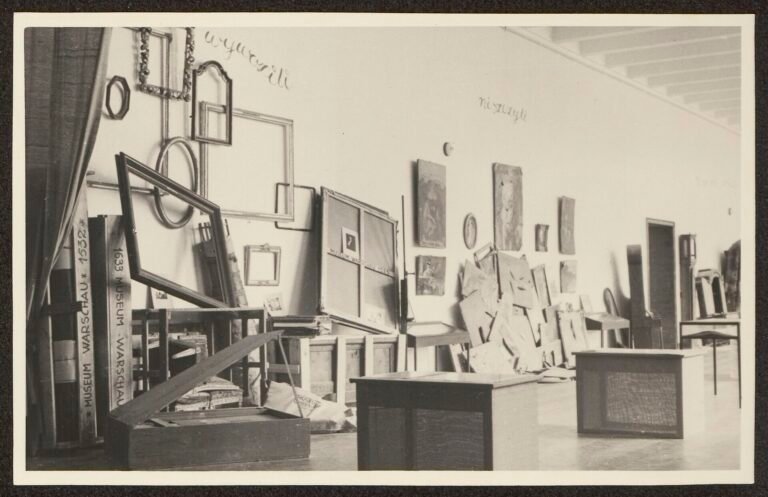
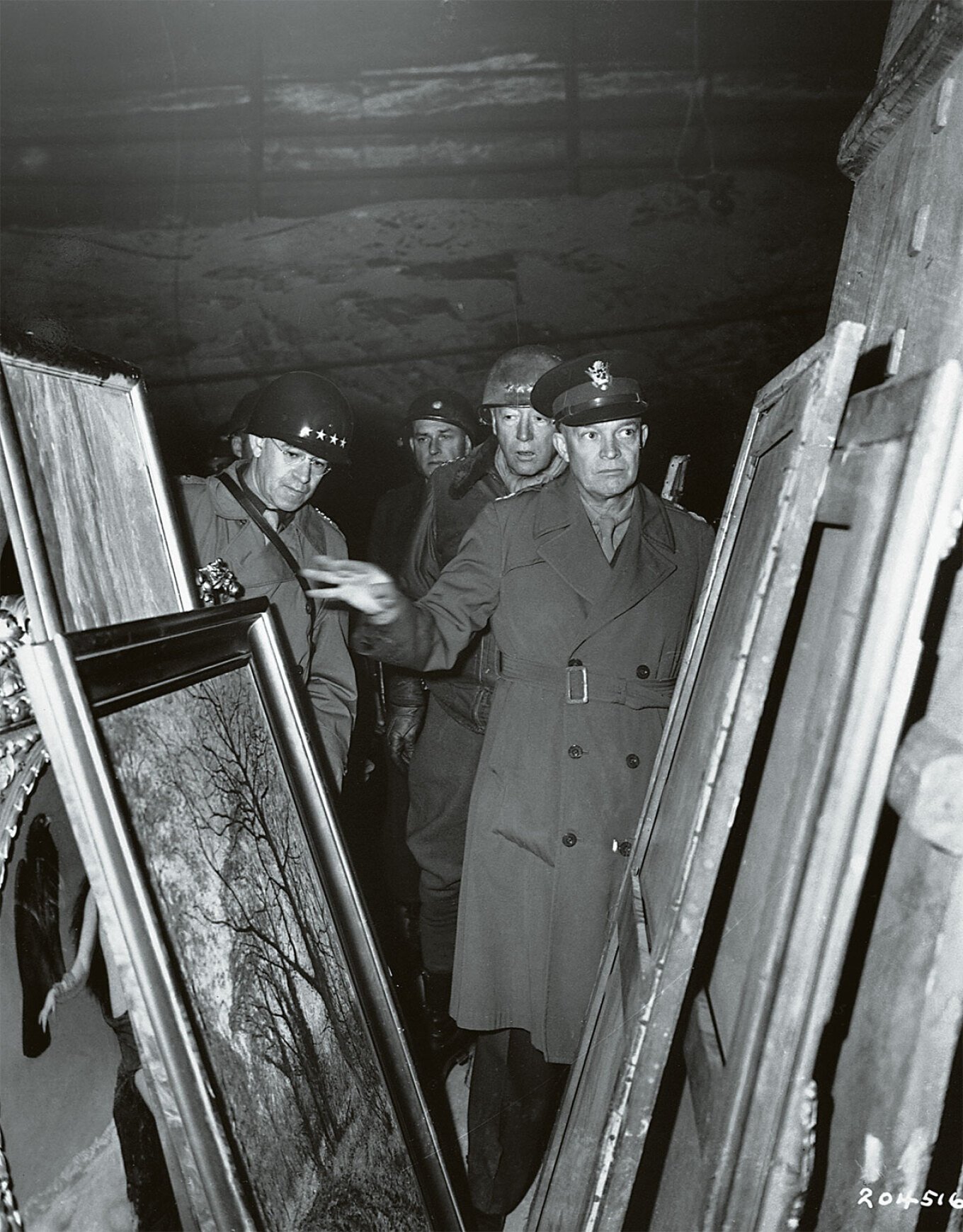
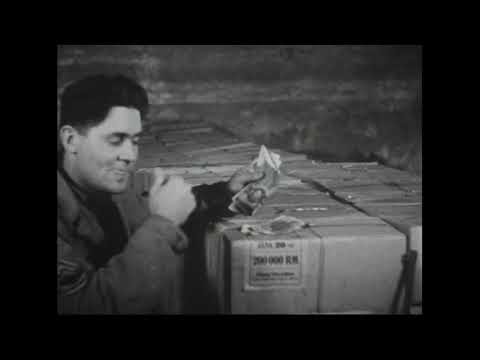
The scale of the looting conducted by the Nazi regime is a well-documented historical fact, recorded in meticulous detail by both the perpetrators and the liberators. State-sponsored organizations, specialized military units, and individual officials systematically stripped occupied territories of financial reserves, private property, and cultural heritage. To manage the recovery and restitution of these stolen assets, the Allied forces established the Monuments, Fine Arts, and Archives program, whose members became known as the Monuments Men. Their work, operating alongside advancing military units, led to some of the most significant recoveries of stolen wealth in history. The most famous of these verified discoveries occurred at the Merkers salt mine in Thuringia, Germany, in April 1945. American forces uncovered a vast subterranean vault containing the bulk of the German Reichsbank's gold reserves, alongside hundreds of millions of Reichsmarks, foreign currency, and priceless artworks removed from Berlin's state museums. Photographs and documents preserved by the Harry S. Truman Library detail the staggering scale of the Merkers hoard, which was meticulously cataloged, guarded, and eventually redistributed to its rightful owners or national governments. This discovery proved that the regime did indeed use deep mines and subterranean complexes to hide their most valuable assets from aerial bombardment and advancing armies. Similar, though smaller, caches were found in castles, monasteries, and bunkers across Germany and Austria, such as the massive art repository discovered in the Altaussee salt mine. These verified historical events provided the factual foundation upon which decades of subsequent treasure legends were built. The reality of the Merkers mine demonstrated that high-ranking officials possessed both the logistical capability and the desperation to conceal massive amounts of wealth underground. However, the successful recovery of these primary caches by Allied intelligence and specialized units also indicates how thoroughly the major hiding places were investigated, mapped, and emptied in the immediate postwar period. The archives show a systematic process of recovery, not a landscape littered with forgotten, untouched billions.
What we don't know
Despite the extensive documentation of recovered assets by Allied intelligence, significant gaps remain in the historical record regarding the final days of the war. The chaotic retreat of German forces, coupled with the deliberate destruction of military and administrative records to hide war crimes, means that the exact fate of many specific stolen items is lost to history. We do not know the precise movements of every regional commander or the contents of every transport that left occupied territories in the final, desperate months of the conflict. While the major state repositories like Merkers and Altaussee were found, the disposition of wealth hoarded by individual officials, corrupt administrators, or smaller military units is often impossible to trace. In the case of Greece, the exact financial accounting of the assets extorted from the Jewish community of Thessaloniki remains incomplete. The paper trails that might indicate whether these specific assets were shipped back to Germany, spent on local military operations, or hidden by corrupt officials were largely destroyed or lost in the chaos of the occupation's end. Furthermore, the nature of wartime rumors makes it exceptionally difficult to separate genuine eyewitness accounts of military movements from panicked speculation. When local populations observed heavy transport vehicles, guarded convoys, or trains moving under the cover of darkness, they often assumed these contained looted wealth, even if they were merely transporting munitions, industrial equipment, or retreating personnel. This lack of definitive documentation for the final weeks of the war creates a fertile environment for speculation. In the absence of clear archival evidence detailing the destruction or transfer of specific assets, the void is frequently filled by local folklore, where the absence of evidence is interpreted as proof of a successful, secret concealment that has simply not yet been uncovered.
What is claimed
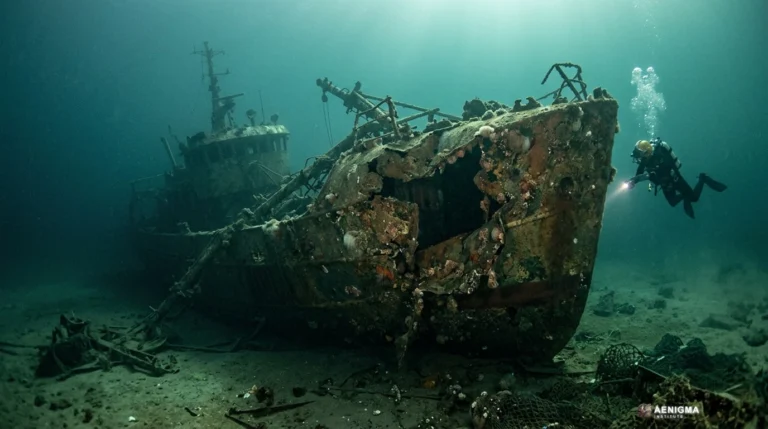
The vacuum of information surrounding the end of the war has given rise to highly specific, enduring legends across Europe that continue to generate headlines today. One of the most prominent modern examples is the Polish Gold Train. According to local lore in the Wałbrzych region of southwestern Poland, an armored Nazi train loaded with gold bullion, stolen artwork, and experimental weapons was hidden inside a secret tunnel complex in the Owl Mountains during the Soviet advance in early 1945. The area was part of Project Riese, a genuine, massive, and unfinished underground construction project undertaken by Nazi Germany, which lent a strong veneer of plausibility to the rumors. In recent years, claims surfaced that ground-penetrating radar had definitively shown the outline of a buried train, complete with gun turrets, sparking a massive international media frenzy and drawing enthusiasts from around the world. In Greece, a similar, deeply entrenched mythology surrounds Max Merten, who served as the chief of the German military administration in Thessaloniki. Merten was directly responsible for the brutal extortion and subsequent deportation of the city's thriving Jewish population to extermination camps. The legend claims that Merten amassed a vast personal fortune from this extortion, confiscating gold, jewelry, and family heirlooms, which he was unable to transport back to Germany as the front collapsed. According to various iterations of the story, this immense loot was either buried in the Greek countryside, hidden in mountain caves, or deliberately sunk in a shipwreck off the coast of the Peloponnese or in the Aegean Sea, waiting to be recovered. These narratives often feature detailed but unverified accounts of secret maps, deathbed confessions of former soldiers, and mysterious postwar visits by German nationals attempting to retrieve the hidden wealth under the guise of tourism.
What is verified
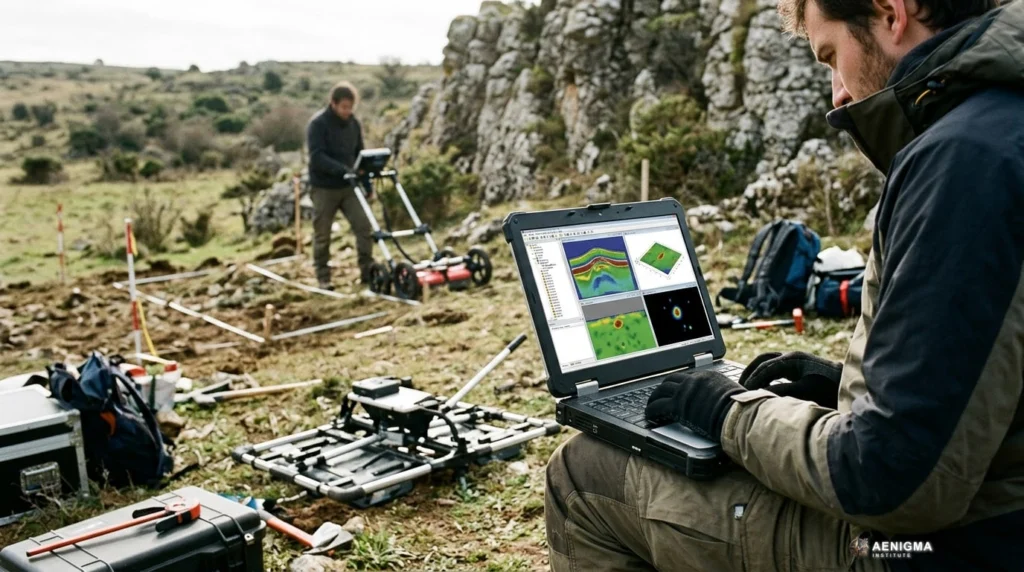
When these spectacular claims are subjected to rigorous historical and scientific scrutiny, they consistently fall apart, revealing the gap between postwar rumors and documented reality. The Polish Gold Train provides a perfect case study in how local legends and misinterpreted data can create a modern myth. Following the global media attention, a team of scientists and geologists from the AGH University of Science and Technology in Kraków conducted a thorough, non-invasive survey of the suspected site in Wałbrzych. Using magnetic, gravimetric, and advanced geological scanning methods, they mapped the subterranean environment. They concluded that while there were some natural subterranean anomalies, there was absolutely no train. The shapes that had previously been interpreted as an armored locomotive were actually natural underground ice formations and geological irregularities in the bedrock. The legend was entirely debunked by systematic scientific investigation. Similarly, the stories of Max Merten's sunken or buried treasure remain entirely unproven. Historical archives confirm Merten's role in the economic destruction of Thessaloniki's Jews, for which he was later tried in Greece. However, there is no documentary evidence in German or Allied archives to support the existence of a hidden personal hoard left behind in Greek territory or waters. Decades of searches, rumors, and speculation have yielded nothing. Historians note that the wealth extorted from the Jewish community was largely absorbed into the German war machine, used to finance the local occupation, or dispersed through official channels at the time, rather than packed into a single, mythical treasure chest. The verified history, as reported by institutions like the Monuments Men Foundation and military archives, shows that while the looting was real and devastating, the specific legends of untouched gold trains and sunken billionaire hoards are products of imagination. They are fueled by the very real trauma of the occupation and the massive scale of the historical events, rather than by physical evidence.
Competing explanations
- Possible: While some Nazi loot was genuinely hidden and later recovered by Allied forces (such as the Merkers Mine hoard), many specific legends like the Polish Gold Train or Max Merten's sunken treasure remain unproven myths fueled by post-war rumors and misinterpretations of geological anomalies.
What would change our assessment
For any of these enduring legends to be recognized as historical fact, a significant shift in the available evidence would be required. The discovery of contemporary, authenticated wartime documents, such as shipping manifests, railway schedules, central bank transfer receipts, or direct military orders detailing the concealment of specific assets, would provide a necessary foundation. However, documentary evidence alone is often insufficient, as wartime plans were frequently altered, abandoned, or used as deliberate misinformation. The ultimate confirmation would require the physical discovery of the assets through systematic, permitted archaeological or geological investigation. This process involves strict adherence to national heritage laws, utilizing controlled excavation methods, proper conservation protocols, and oversight by state antiquities departments. It requires moving beyond the unverified claims of treasure hunters and relying on the rigorous methodologies used by professional historians and archaeologists. Until such physical evidence is recovered and independently verified by relevant state institutions, stories of hidden Nazi trains and sunken hoards remain in the realm of folklore, serving as a reminder of the war's chaotic end rather than a map to actual riches.
Videos from the sources
Sources
- protothema.gr (context, primary)
- Wikipedia (context, unverified)
- Monuments Men and Women Foundation (context)
- Legion Magazine (context)
- Harry S. Truman Library (supports)
Protocol AENIGMA-EF-0.1