Evidence: Insufficient data Explanation: Not enough data yet
Pirate Shipwrecks of Madagascar and What the Findings Really Show
Maritime archaeological surveys off Madagascar reported by Le Monde and Figaro Nautisme have uncovered a teak-hulled shipwreck alongside a widely dispersed assemblage of European and Asian coinage. The discoveries offer tangible material evidence of Indian Ocean maritime raiding networks while directly challenging popular legends surrounding European pirate vessels. Available archaeological data remains insufficient to confirm the specific vessel's identity or operational history.
Why AENIGMA is covering this
The Madagascar excavations warrant close attention because they provide a vital material corrective to centuries of romanticised myth-making. Popular culture has long reduced Indian Ocean piracy to colourful legends of hidden island treasures, dramatic swordplay, and monolithic European buccaneers. Archaeological recovery allows historians to reconstruct the authentic, functional mechanics of maritime raiding, trade, and cultural interaction across early modern shipping corridors. The discovery illustrates how pirate economies functioned not in isolation, but as deeply integrated, parasitic elements of the broader global economy. The coexistence of Mughal rupees, Venetian ducats, and Dutch currency within an Asian-built hull highlights the truly globalised nature of early modern maritime commerce. By contextualising these finds through material analysis rather than folklore, researchers gain genuine insights into the technological adaptations, labour pools, and economic realities of the communities that lived and operated along the southwestern Indian Ocean frontier.
What happened
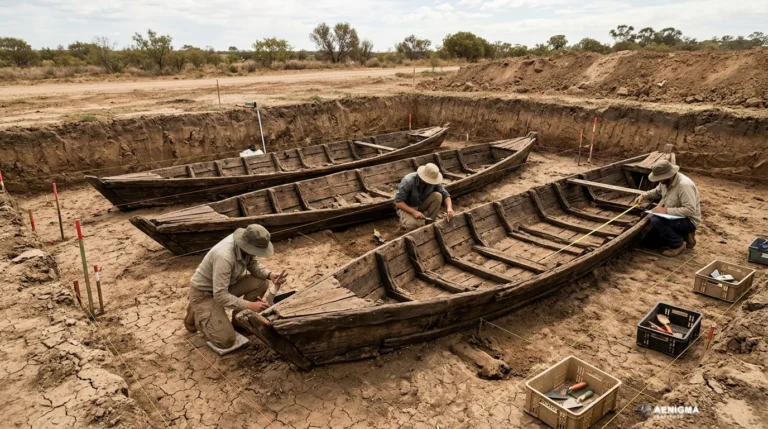
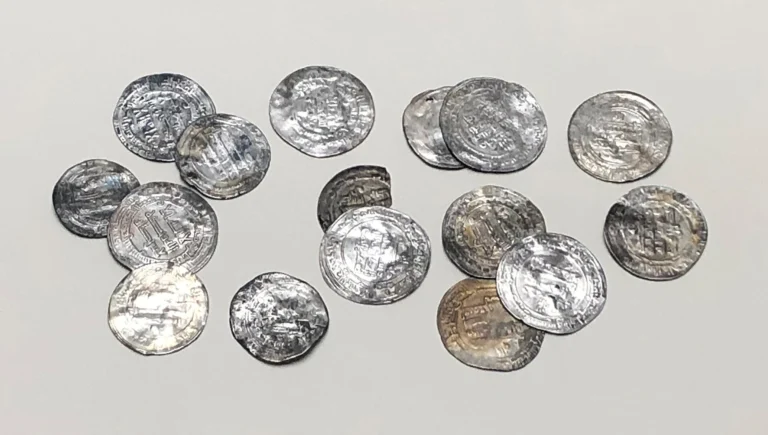
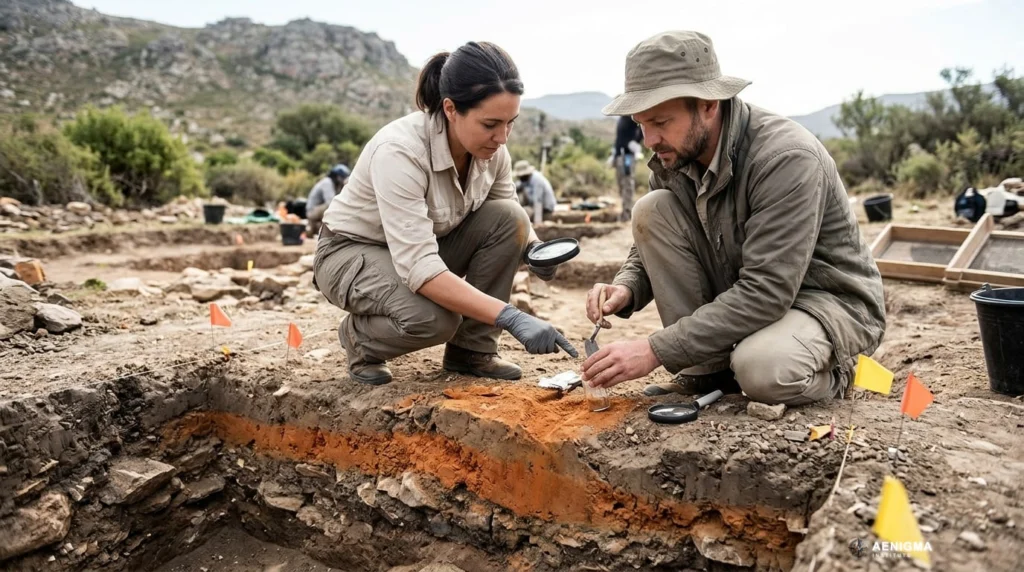
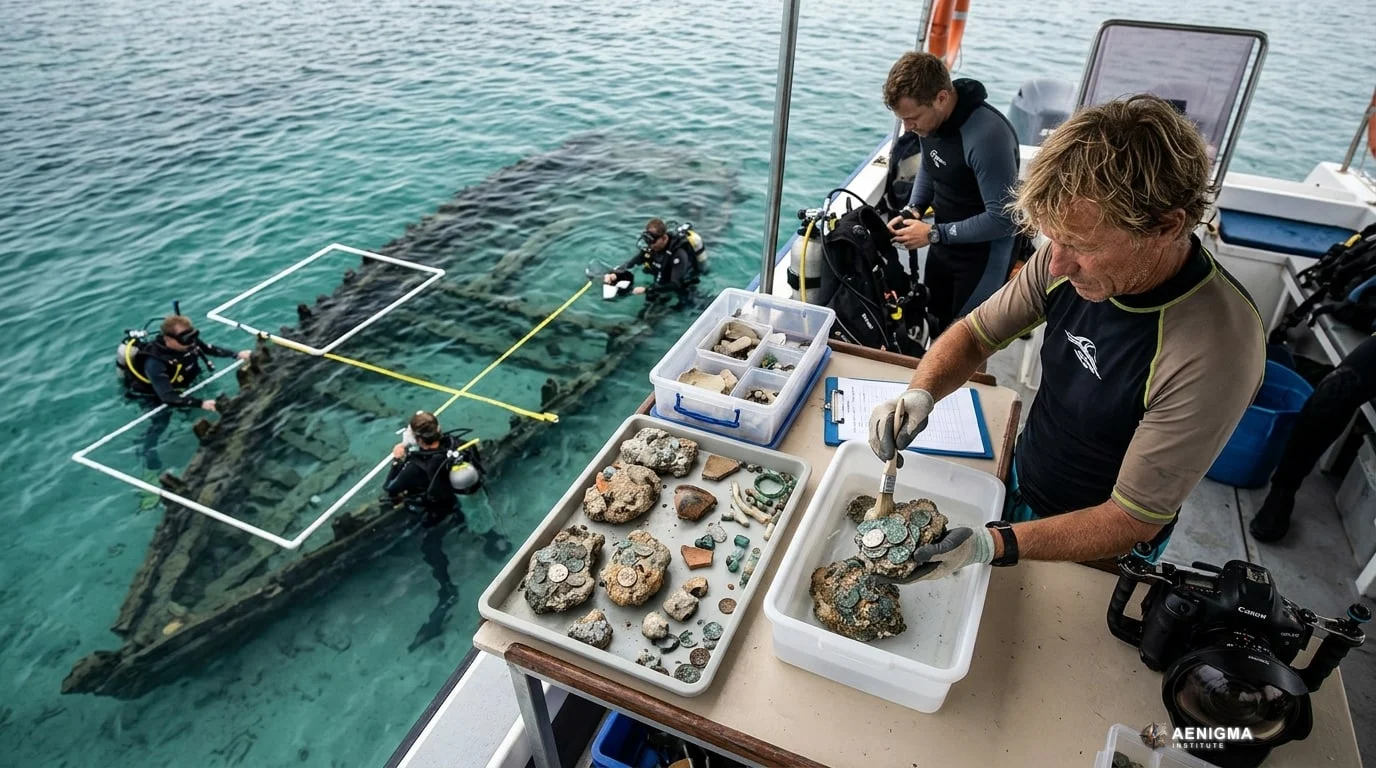
Recent archaeological investigations conducted off the coast of Madagascar have brought to light the structural remains of an early modern shipwreck and its associated cargo, as detailed in reports by Le Monde and Figaro Nautisme. Divers and underwater researchers documented a hull constructed predominantly from teak, a tropical hardwood native to South and Southeast Asia. Recovered alongside the hull structure was a diverse numismatic assemblage containing coins originating from the Republic of Venice, the United Provinces of the Netherlands, and the Mughal Empire. The fieldwork targeted coastal waters long associated in historical literature with early modern maritime trade, corsair operations, and transient maritime settlements. Maritime archaeology in the southwestern Indian Ocean frequently encounters the physical remnants of vessels navigating the complex monsoon trade routes between the East African coast, the Red Sea, the Persian Gulf, and the Indian subcontinent. The emergence of physical hull timbers and stratified cultural material provides researchers with rare direct access to the operational realities of seafaring during an era characterised by volatile naval raiding and privateering. Following the discovery, specialist teams began documenting the exposed timber joints, planking patterns, and loose surface finds scattered across the seabed. Rather than discovering intact treasure chests of popular folklore, archaeologists identified scattered cultural layers embedded within marine sediments, where metallic artifacts and waterlogged organics have undergone centuries of galvanic corrosion and biological degradation. The documented finds were subsequently stabilised for recording, conservation assessment, and historical cross-referencing.
What we know
The physical evidence documented at the site establishes two concrete material parameters: the botanical identity of the vessel's primary structural timber and the geographic diversity of its monetary cargo. Wood analysis confirmed the use of teak in the hull construction. Teak has historically served as the premier shipbuilding material across the Indian subcontinent and Southeast Asia due to its natural oils, resistance to marine borers, and structural resilience in tropical waters. European shipbuilders of the seventeenth and early eighteenth centuries, by contrast, relied almost exclusively on temperate white oak, pine, and elm sourced from Baltic, Atlantic, or Mediterranean forests. The recovery of currency spanning Venice, the United Provinces, and the Mughal Empire reflects the monetary complexity of the early modern Indian Ocean. Venetian gold ducats and silver coins functioned for centuries as high-value trade currency across the Levant, the Red Sea, and onward into maritime Asia. Similarly, silver lion dollars and ducatoons struck in the United Provinces, alongside silver rupees issued under various Mughal emperors, formed the primary liquid bullion circulating throughout regional shipping lanes. The simultaneous presence of these varied currencies within a single marine context reflects the intense transshipment and non-standardised economies that typified commercial and illicit shipping networks of the era. Madagascar occupied a strategic geographic position along the maritime transit corridor known as the Pirate Round. Vessels sailing from Atlantic ports navigated around the Cape of Good Hope into the Mozambique Channel, establishing temporary anchorage points, careening stations, and victualing outposts in sheltered bays along Madagascar's eastern and northern coasts. From these regional anchorages, crews intercepted merchant shipping travelling between the Indian subcontinent, the Arabian Peninsula, and Europe, redistributing valuable commodities, weapons, and specie across temporary island stations.
What we don't know
Archaeological analysis has not established the specific identity, official registry, or home port of the surveyed vessel. While folklore and regional narratives frequently assign historical names to submerged wreckage, no ship's bell, dated maker's plaque, navigational journal, or inscribed structural component has been recovered to conclusively name the craft. The operational lifespan of the ship—including the exact year it foundered—remains unknown pending further radiocarbon dating and dendrochronological sampling. It is currently impossible to determine whether the vessel was actively operated by pirates, sailed under the charter of an Asian or European merchant company, or functioned as a regional coastal trader. Many vessels captured during maritime raids were subsequently repurposed, renamed, and operated by prize crews until they were scuttled or ran aground. Without personal belongings directly tied to documented historical individuals, researchers cannot distinguish whether the site represents a pirate vessel, a merchant prize abandoned after plunder, or a legitimate trading ship lost to standard navigational hazards. The original depositional history of the cargo also remains undetermined. While coins from multiple continents were found at the location, archaeologists do not yet know whether this coinage arrived aboard the vessel as a single cohesive consignment, accumulated through successive commercial voyages across regional trading ports, or represented transshipped booty taken from multiple captured prizes. The complete extent of the shipwreck site and the potential presence of deeper, unexcavated cultural strata under shifting sands have yet to be established.
What is claimed
In initial public discussions, speculative hypotheses suggested that the site might represent the famous Portuguese vessel *Nossa Senhora do Cabo*, captured in 1721 off Réunion by the pirate commander Olivier Levasseur, commonly known as La Buse. That capture remains one of the most prominent events in regional folklore, involving vast quantities of religious art, precious metals, and European and Asian currency. Promoters of this interpretation posited that the recovered coinage and prestige items matched the historical profile of Levasseur's legendary prize. In contrast, maritime specialists reporting through Le Monde and Figaro Nautisme evaluate this hypothesis as unlikely based on the material evidence. The physical reality of a teak-built hull fundamentally conflicts with the known European construction of an official Portuguese vessel built in Lisbon or an Atlantic shipyard. While transshipped cargo from a European capture could theoretically have been transferred onto an Asian-built prize craft, asserting a direct link to Levasseur's prize relies on correlation rather than direct material evidence. The prevailing and more probable archaeological explanation suggests the vessel was an Asian-built craft—constructed in western India, the Persian Gulf, or Southeast Asia—that was either acquired directly through regional trade or seized as a prize by pirate networks operating in the Indian Ocean. Such vessels were frequently retrofitted with additional armaments and utilized for local logistics, coastal patrol, or long-range raiding due to their superior suitability to regional waters.
What is verified
Verified archaeological facts from the site remain strictly confined to the physical material culture recovered and systematically documented. Laboratory examination verifies that the hull framing and planking consist of Asian teak rather than European hardwoods. This single botanical identification conclusively rules out the possibility that the surviving structural hull was fabricated in a traditional early modern European shipyard. Numismatic identification independently verifies the presence of authentic coinage struck within the administrative mints of the Mughal Empire, the United Provinces, and Venice. These coins date generally to the late seventeenth and early eighteenth centuries, establishing an initial archaeological *terminus post quem* for the assemblage. The composition of the hoard corroborates historical knowledge regarding the multinational nature of bullion flows circulating between Europe, the Middle East, and Asia during this period. Site surveys also verify that the remains are distributed across a dynamic marine environment subject to wave action, tidal currents, and shifting sediments. Systematic mapping demonstrates that the surviving material culture is fragile and fragmentary, exhibiting signs of extensive marine wear, mechanical disarticulation, and natural dispersal across the seabed.
Competing explanations
- Possible: The vessel's teak hull points to Asian shipbuilding, indicating an Asian craft captured or repurposed by Indian Ocean pirate networks.
- Unlikely: Initial hypotheses linked the site to the Portuguese ship captured in 1721 by Olivier Levasseur, but European construction contradicts the discovered teak hull, though transshipped cargo remains possible.
What would change our assessment
The current classification of the site as an unidentified, likely Asian-built vessel would change if future excavations encounter diagnostic artefacts carrying conclusive inscriptions. The recovery of marked ordnance—such as bronze or iron cannon bearing royal crests, foundry marks, or serial numbers—could definitively link the site to specific European admiralty contracts, Asian royal foundries, or trading companies. High-resolution dendrochronological analysis of the teak timbers could establish both the felling date and the precise geographic forest of origin for the wood. While tropical dendrochronology is historically challenging due to less pronounced annual growth rings in humid zones, advances in regional tree-ring databases for South and Southeast Asia could provide an absolute construction date for the ship. Pinpointing the construction decade would narrow the archival window and eliminate numerous candidate vessels from consideration. Definitive archival correlation would also alter the assessment. If colonial maritime records, Dutch East India Company day-registers, French naval logs, or regional Portuguese administrative dispatches yield an eyewitness account of an Asian-built craft carrying specific mixed coin consignments lost at this precise geographic landmark, the evidentiary standing would elevate from an unidentified craft to a verified historical vessel.
Sources
- Le Monde (neutral)
- Figaro Nautisme (supports, primary)
Protocol AENIGMA-EF-0.1