Evidence: Unsubstantiated Explanation: Not enough data yet
Palaepaphos and What Its Late Bronze Age Fortification Really Shows
Excavations at Palaepaphos, reported by Archaeology Magazine, point to the presence of an early fortification system incorporating a rampart, bastion, and tower. The reported architectural sequence reopens questions regarding how monumental urban defenses developed and adapted across centuries of political change in ancient Cyprus. While field observations identify significant structural phases, the initial Late Bronze Age attribution remains unsubstantiated pending definitive stratigraphic verification.
Why AENIGMA is covering this
Tracking developments in the archaeology of Palaepaphos is essential for understanding the evolution of complex political institutions in the ancient Mediterranean. As one of the preeminent regional centers of Cyprus, the site provides crucial data regarding how ancient societies organized municipal defense, controlled maritime exchange, and adapted to shifting geopolitical realities. Monumental fortifications represent massive investments of communal labor and resources, offering direct insights into the centralization and administrative capacity of ancient city-states. Reporting on preliminary architectural claims ensures that public understanding aligns with rigorous archaeological methodology. Popular narratives often conflate the discovery of ancient masonry with definitive proof of historical events, blurring the line between physical observations and interpretive hypotheses. By analyzing the structural sequence of the Marchello rampart through an evidence-first perspective, readers gain a realistic understanding of how ancient defenses are documented, analyzed, and evaluated by field specialists.
What happened
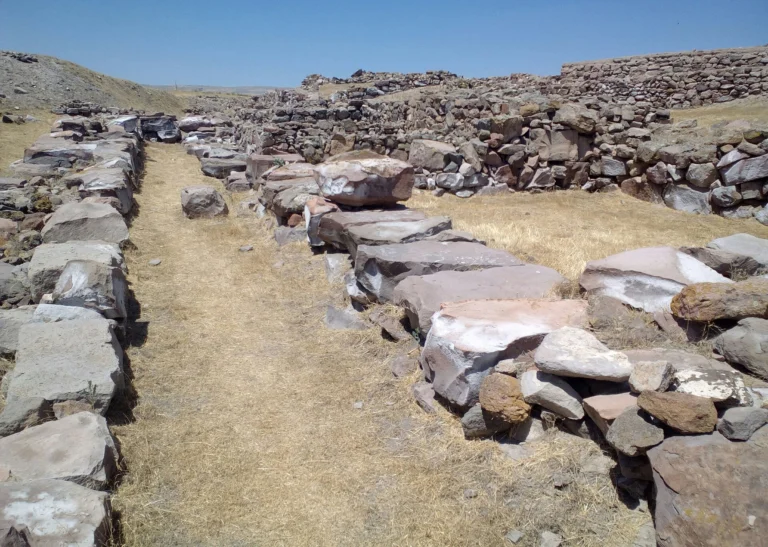
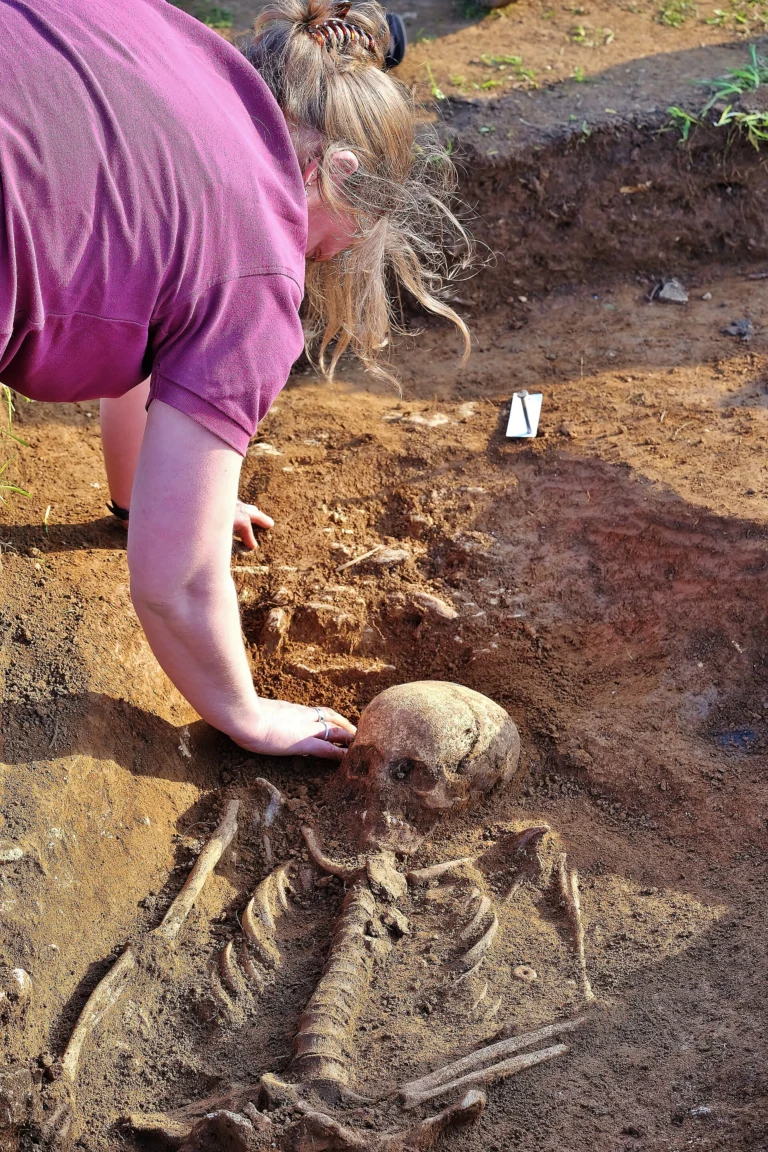
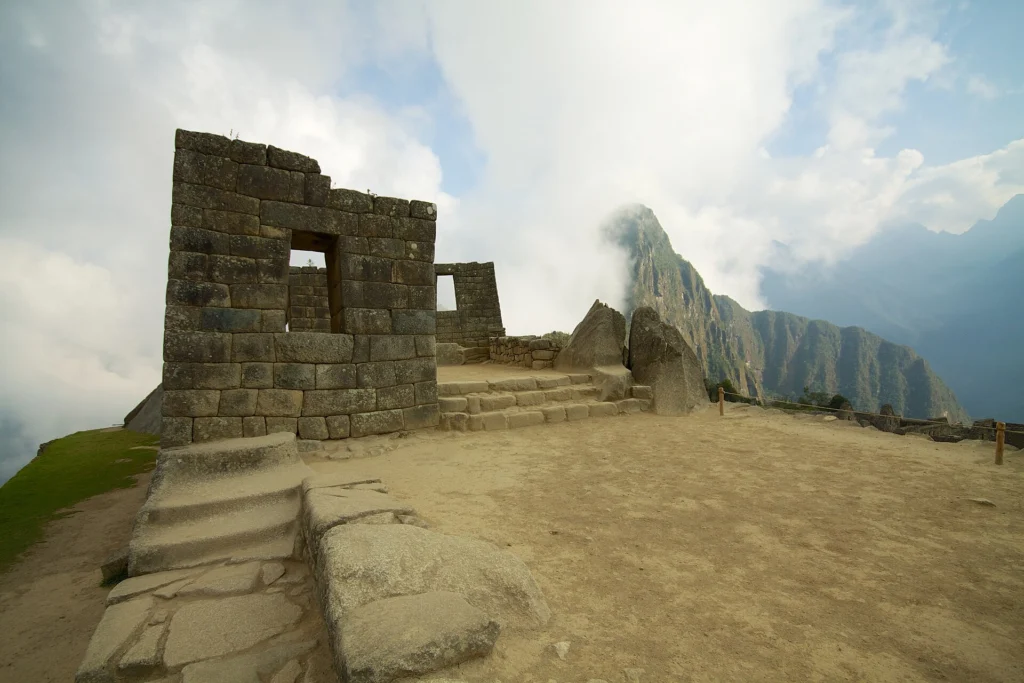
Field investigations at Palaepaphos have revealed monumental defensive architecture, identifying what may represent the earliest documented fortification system at the ancient Cypriot urban center. As reported by Archaeology Magazine, structural remains documented at the Marchello sector preserve an extensive defensive arrangement comprising a massive rampart, an adjoining bastion, and an integrated tower. The reported remains point toward an initial construction horizon during the Late Bronze Age, specifically linked to the Late Cypriot IIC to IIIA chronological horizon. Following its initial construction, the defensive complex underwent multiple structural adjustments and reinforcements. The defensive works appear to have remained functional or seen renewed architectural attention across later settlement horizons, extending downward into the fourth century BCE during the Late Cypro-Classical period. This long span suggests that the physical topography of the Marchello area remained integral to local military strategies over several distinct historical transformations. Palaepaphos, located near the modern settlement of Kouklia in southwestern Cyprus, is widely recognized as one of the most prominent political and religious centers of the ancient eastern Mediterranean. Long renowned for its sprawling sanctuary complex and significant Late Bronze Age urban footprint, the settlement has yielded extensive evidence of administrative complexity, elite craftsmanship, and interregional maritime exchange. Until these recent reports, however, the direct physical evidence for monumental defensive works belonging to the earliest urban phase of the city had remained elusive, leaving researchers to speculate about how the community organized its territorial defenses.
What we know
The Late Cypriot Bronze Age, particularly the transition between Late Cypriot IIC and Late Cypriot IIIA, was a period of intense cultural and economic activity throughout Cyprus. During these centuries, urban centers flourished by managing the extraction, processing, and maritime distribution of the island's copper resources. Settlements across the island engaged in extensive diplomatic and commercial networks connecting the Aegean, the Levant, Anatolia, and Egypt, creating regional wealth that frequently manifested in monumental architecture. Defensive architecture in Late Bronze Age Cyprus typically combined stone base courses with upper structures of mudbrick or timber-reinforced masonry. Fortification circuits from this era often incorporated monumental ramparts designed to neutralize siege tactics, stabilize steep terrain, and project authority across the surrounding landscape. Bastions and protruding towers were strategically placed along curtain walls to provide flanking fire against potential attackers attempting to scale or undermine the perimeter. The archaeological record of Cyprus demonstrates that while several coastal and inland towns established formal defensive perimeters during the late second millennium BCE, the architectural styles varied considerably. Some sites utilized ashlar masonry characterized by finely dressed limestone blocks, while others relied on cyclopean boulders set into deep bedding trenches backed by earth-and-rubble berms. At the Marchello sector of Palaepaphos, the reported structural sequence indicates a substantial composite system where massive earthen banks and stone masonry worked together to protect the approaches to the urban core. The physical survival of such architecture into the fourth century BCE underscores the enduring defensive value of the location. Across the Mediterranean, later builders frequently reoccupied, cleared, and reinforced existing Bronze Age earthworks rather than constructing entirely new defenses from scratch. The later Classical modifications documented at Marchello demonstrate that regional rulers recognized the strategic advantages of the older architectural footprint and adapted it to contemporary siege mechanics.
What we don't know
Significant gaps remain regarding the chronological continuity of the defensive works at Palaepaphos. While the structural sequence demonstrates an early phase and clear late modifications extending into the fourth century BCE, it is currently unknown whether defensive occupation continued without interruption across the intervening Cypro-Geometric and Cypro-Archaic horizons. The centuries separating the Late Bronze Age from the Classical era witnessed profound social and political shifts across Cyprus, and the archaeological record does not yet clarify whether the rampart was continuously manned, periodically abandoned, or heavily rebuilt after long intervals. The precise construction date of the earliest foundation levels also remains to be firmly established through complete stratigraphic publications. The attribution of the bastion and rampart to the Late Cypriot IIC-IIIA transition relies on ceramic and structural associations that require meticulous vertical profiling. Without published data detailing closed foundation deposits beneath the core masonry, it is difficult to determine whether the earliest structural elements represent a unified Late Bronze Age construction program or an agglomeration of smaller terracing projects modified over time. Furthermore, the full spatial extent of the fortification system across Palaepaphos is not yet known. Archaeological teams have focused primarily on the Marchello sector, leaving the complete circuit of the defensive perimeter unmapped. It remains uncertain whether the monumental rampart and tower formed part of an unbroken continuous wall enclosing the entire upper town, or whether they represented a localized citadel defense safeguarding specific administrative or religious quarters.
What is claimed
The reporting in Archaeology Magazine presents the Marchello remains as the first confirmed Late Bronze Age fortification system identified at Palaepaphos. The account links the foundation of the massive rampart, bastion, and tower directly to the Late Cypriot IIC-IIIA cultural period, framing the discovery as critical evidence of monumental urban defenses during a transformative era in ancient Cypriot history. Under this interpretation, the defensive works were established to safeguard the city during a period characterized by widespread political realignments and maritime disruptions across the wider eastern Mediterranean. The narrative suggests that the fortifications served an enduring defensive purpose, undergoing successive phases of reinforcement and architectural elaboration that culminated in the fourth century BCE, during the intense regional conflicts of the Late Cypro-Classical era. By emphasizing the early dating of the bastion and rampart, the published account positions Palaepaphos alongside other major fortified centers of the eastern Mediterranean Bronze Age. This model asserts that the settlement was actively fortified during its formative urban height, rather than developing its monumental defenses primarily in response to the political pressures of the Iron Age or Classical periods.
What is verified
Physical excavations at the Marchello sector have confirmed the existence of a substantial composite defensive structure incorporating a bastion, an adjacent tower, and a monumental rampart. The sheer scale of the masonry and earthworks demonstrates that significant municipal labor was organized to fortify this specific sector of the landscape. Structural interventions and refurbishments dating through the fourth century BCE are verified by established stratigraphic relationships and material culture associated with the Late Cypro-Classical occupation of the site. However, the attribution of the earliest founding phase to the Late Cypriot IIC-IIIA period remains an unsubstantiated baseline interpretation. While diagnostic Late Bronze Age material may be present in the general excavation area, confirming that the primary foundation trenches of the wall and bastion were sealed during this specific ceramic phase requires detailed quantitative ceramic reporting and independent dating evidence. In multi-period urban sites like Palaepaphos, redeposited Bronze Age sherds are frequently incorporated into the construction fills of much later Iron Age or Classical terraces. Consequently, the structural sequence as currently documented verifies long-term military use and substantial stone construction at Marchello, but the verification of a functioning Late Bronze Age defensive system requires further stratigraphic proof. The verified evidence supports a complex, multi-period defensive complex, while the earliest chronological assignment remains a plausible hypothesis rather than an established certainty.
Competing explanations
- Possible: The rampart and bastion tower were founded and reinforced during the Late Cypriot IIC-IIIA periods, followed by additional defensive works extending into the fourth century BCE.
What would change our assessment
A definitive reassessment of the fortification system would require the excavation and publication of undisturbed foundation contexts directly tied to the primary construction phase of the rampart and bastion. Archaeologists look specifically for sealed construction trenches containing diagnostic, unabraded Late Cypriot IIC and IIIA ceramics located directly beneath the lowest courses of the stone masonry. The presence of diagnostic material beneath the load-bearing foundations would establish a definitive terminus post quem for the construction of the defensive line. Radiocarbon dating of short-lived organic remains recovered from primary construction contexts would provide vital chronological anchors independent of ceramic typologies. Samples retrieved from stratified mortar layers, intentional foundation deposits, or burned structural timbers within the tower and bastion could firmly confirm whether the initial building program belongs to the late second millennium BCE. If radiocarbon sequences systematically align with Late Bronze Age ceramic dates, the unsubstantiated classification of the earliest defenses would shift toward broad academic acceptance. Clear stratigraphic evidence clarifying the status of the fortifications during the Cypro-Geometric and Cypro-Archaic periods would also reshape current models. Detailed vertical profiles across the rampart core demonstrating continuous maintenance, accumulated occupational debris, or sequential rebuilds would resolve questions regarding whether the defensive network functioned continuously across the transition from the Bronze Age to the Iron Age. Conversely, evidence showing that the early structures were merely agricultural terraces or landscaping features later integrated into Classical fortifications would fundamentally alter the interpretation of the Marchello sector.
Sources
- Archaeology Magazine (supports)
Protocol AENIGMA-EF-0.1