Evidence: Unsubstantiated Explanation: Not enough data yet
Denisova Cave Fossils: What Ancient DNA Really Shows About Yak X
Denisova Cave in Siberia has yielded ancient genetic sequences from fossil bovine bones that diverge from known lineages, pointing to a previously unrecognized prehistoric population dubbed yak X. Genomic data from twenty specimens indicate these animals separated from wild ancestors hundreds of thousands of years ago before disappearing late in the Pleistocene. The findings highlight how molecular analysis can identify unexpected fauna in legacy collections originally excavated to study steppe bison.
Why AENIGMA is covering this
The identification of unexpected ancient DNA in Denisova Cave underscores the transformative role biomolecular archaeology plays in reassessing existing museum collections. Excavations across Eurasia have yielded millions of nondescript, highly fractured bone fragments that traditional osteology cannot classify beyond the family level. Through paleogenomics, these neglected fragments regularly yield profound biological surprises, proving that Late Pleistocene biodiversity was far more complex than previously recognized from complete skeletons alone. Denisova Cave remains one of the most critical stratigraphic archives on Earth, famous for exposing ancient hominin interactions and complex environmental records. Tracking the faunal community that inhabited the surrounding valleys provides essential context for understanding the landscape, hunting resources, and climatic conditions encountered by early human populations in the Altai. If ancient yaks formed a routine component of the local ecosystem, their presence offers vital clues regarding floral availability, temperature fluctuations, and prey selection. Furthermore, this case illustrates the vital importance of distinguishing observed laboratory data from historical taxonomy. While the molecular sequences are genuine and mathematically verifiable, deciding whether they represent a forgotten species, an isolated ecotype, or a previously described fossil subspecies requires cautious interdisciplinary work. AENIGMA Institute tracks these developments to show readers how modern science continually interrogates the prehistoric past without jumping prematurely from genetic anomalies to taxonomic certainty.
What happened
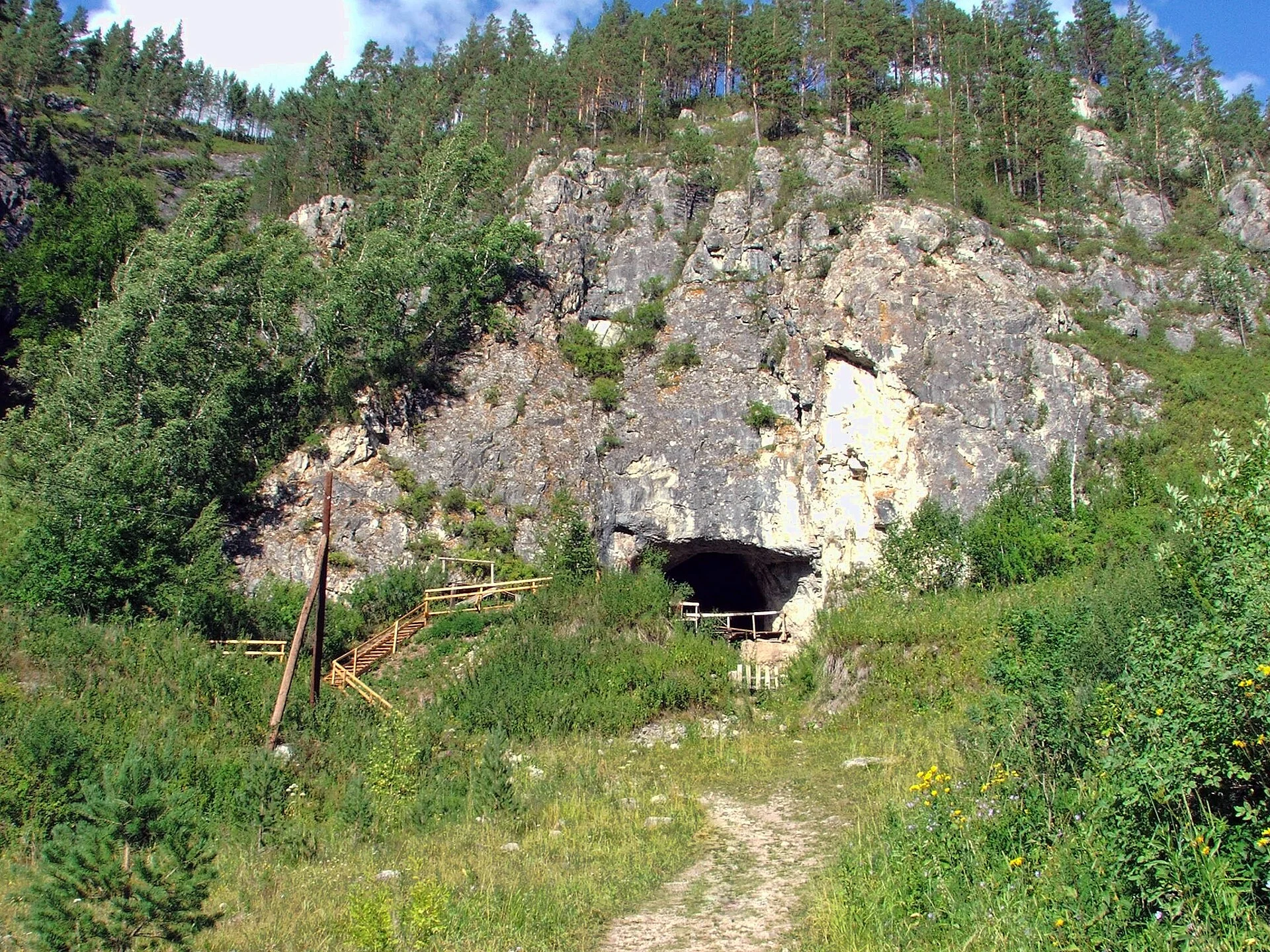
During an investigation initially designed to trace the evolutionary history of steppe bison, paleogeneticists examining animal bones from Siberian cave deposits encountered an unexpected genetic signature. Twenty fossil specimens recovered from archaeological layers, including material associated with Denisova Cave in the Altai Mountains, failed to match the standard reference profiles of ancient bison or modern cattle. Instead, their genomic sequences clustered alongside yaks while maintaining a clear and consistent separation from living wild and domestic populations. The research, reported by New Scientist, indicates that these remains belong to an extinct lineage provisionally termed yak X. Molecular clock estimates derived from the sequenced genomes suggest this group split from the ancestors of modern wild yaks roughly 400,000 years ago during the Middle Pleistocene. The lineage appears to have occupied the cold, open landscapes of southern Siberia for hundreds of millennia until vanishing from the fossil record around 30,000 years ago, roughly coinciding with the broader megafaunal turnovers of the Late Pleistocene. Denisova Cave is globally celebrated for preserving exceptional hominin fossils, including the remains of Neanderthals, Denisovans, and their hybrids, largely due to the stable, cold environmental conditions within its chambers. Those same preservation conditions regularly protect fragile ancient DNA within animal bones, teeth, and sediment. What began as a focused screening project to map bison population dynamics across northern Eurasia inadvertently illuminated a forgotten branch of the bovid family tree inhabiting regions far removed from modern high-altitude yak populations.
What we know
The physical material behind this discovery consists of twenty fossil bone fragments collected across Siberian cave sites, with key samples originating from the stratified sediments of Denisova Cave. Stratigraphically, these deposits span tens of thousands of years of late Quaternary history, representing complex mixtures of carnivore denning debris, human foraging waste, and natural geological accumulations. Paleolithic excavators in the Altai region have long documented diverse faunal assemblages, but fragmented postcranial elements of large bovids are notoriously difficult to separate anatomically. Genomic sequencing recovered from these twenty specimens demonstrates that the animals were closely related to wild yaks (*Bos mutus*), yet genetically distinct from any lineage surviving today. Sequence divergence calculations indicate an initial divergence from the wild yak branch around 400,000 years ago. The terminal occurrences of this genetic signature date to approximately 30,000 years ago, establishing that this bovid lived in Siberia alongside Pleistocene human groups, cave hyenas, woolly mammoths, and steppe bison. Geographically and ecologically, these Siberian sites stand at significantly lower elevations than the high-altitude Tibetan Plateau where modern wild and domestic yaks currently survive. Living yaks are specialized for extreme conditions above 3,000 to 5,000 meters, exhibiting physiological adaptations to hypobaric hypoxia and bitter cold. The presence of a closely related lineage in the sub-montane foothills and lower river valleys of Siberia indicates that ancient yaks occupied distinct ecological niches and lower altitudinal zones during glacial periods.
What we don't know
Significant gaps remain regarding the physical appearance, morphology, and complete geographic distribution of yak X. Because many ancient bone samples collected in Siberian caves consist of small, fractured skeletal elements or unidentifiable shaft fragments identified solely through screening, researchers lack a complete articulated skeleton. As a consequence, it remains unknown whether these animals possessed the dense, shaggy fleece, shortened limbs, or specialized thoracic anatomy typical of extant Himalayan yaks. It is also unresolved how yak X relates to previously cataloged fossil bovids described throughout twentieth-century Russian paleontological literature. Over decades of field research, Soviet and Russian paleontologists described several fossil bovid forms from Pleistocene Siberian river terraces and karst caves, occasionally designating specific morphological specimens as extinct subspecies of Himalayan yaks. Whether yak X represents the exact genomic profile of those previously named morphological taxa or constitutes an entirely distinct biological radiation cannot be settled without directly sequencing type specimens from those historic collections. Furthermore, the precise environmental pressures that drove this lineage to extinction around 30,000 years ago remain speculative. While this timing overlaps with the Middle-to-Upper Paleolithic transition, changing climatic cycles, and the expansion of modern human populations, the relative impact of hunting pressure versus habitat fragmentation remains unproven. The available sample size of twenty individuals does not yet provide the demographic resolution needed to reconstruct population bottlenecks across their final millennia.
What is claimed
Two primary hypotheses have emerged to interpret the molecular data recovered from the Siberian bones. The first hypothesis holds that yak X represents a previously unknown, geographically isolated Pleistocene lineage that diverged from wild yaks approximately 400,000 years ago. According to this framework, the lineage adapted specifically to the mammoth steppe ecology of southern Siberia and remained genetically autonomous until its final demise approximately 30,000 years ago, representing an independent bovid specialization that modern biology failed to record among living species. The alternative hypothesis suggests that yak X is not an entirely new taxonomic entity, but rather the genetic counterpart of fossil bovid remains already known to morphology. Proponents of this view propose that paleontologists who studied skeletal remains throughout the twentieth century correctly identified fossil yaks in northern Eurasia based on horn-core and dental features, categorizing them as extinct regional subspecies. Under this interpretation, modern genomics has simply attached sequence data to an animal already recognized in historical comparative anatomy under established taxonomic nomenclature. Both perspectives acknowledge that the lineages diverged deep in the Pleistocene and shared a common ancestor with Tibetan wild yaks. The fundamental point of disagreement centers on whether the genetic lineage represents an unrecorded branch of fauna or the genomic confirmation of physical paleontological classifications made before the advent of ancient biomolecular techniques.
What is verified
Independent reporting by New Scientist verifies that ancient genomic sequencing was successfully conducted on twenty fossil bone specimens derived from Siberian deposits, including Denisova Cave. The laboratory recovery of authentic ancient DNA from these specimens has established their position within the genus *Bos*, branching close to yaks rather than bison or aurochs. The computational alignment confirms that the sequences maintain consistent genetic divergence from modern wild yaks, supporting an evolutionary divergence time of roughly 400,000 years. The verified record also establishes that this lineage persisted in the region until at least 30,000 years ago before dropping out of the stratigraphic sequences. It is likewise verified that the researchers began their investigations with the goal of studying the population dynamics and evolutionary trajectory of steppe bison, only identifying the distinct bovid profile through wide-scale biomolecular screening of unclassified fragments. Finally, the geographic context of the discovery is physically verified. Denisova Cave and the surrounding Altai mountain sites are positioned at elevations far lower than the alpine grasslands of the Tibetan Plateau. This physical reality confirms that Pleistocene yak-related populations were capable of sustaining viable populations outside the ultra-high-altitude environments that define their modern living relatives.
Competing explanations
- Possible: Genomic sequencing of 20 fossil specimens indicates yak X diverged from wild yaks approximately 400,000 years ago and formed an isolated Pleistocene lineage in Siberia before going extinct around 30,000 years ago.
- Possible: Yak X remains may correspond to fossil bones previously classified morphologically by paleontologists as a subspecies of the Himalayan yak.
What would change our assessment
The current classification of yak X as an unresolved and unsubstantiated distinct taxon could change significantly with the direct molecular sampling of historical paleontological type specimens. If researchers obtain ancient DNA from the original museum skulls and horn cores previously classified by classical paleontologists as Siberian yak subspecies, a direct comparison would immediately clarify whether yak X is identical to those named taxa or a novel clade. A genetic match would resolve the nomenclature and unite modern molecular data with century-old anatomical studies. Conversely, the discovery of intact, articulated skeletal remains containing well-preserved endogenous DNA would provide the missing anatomical link. High-resolution morphological analysis of diagnostic cranial structures, dental wear patterns, and limb proportions alongside genomic sequencing would demonstrate whether the lineage possessed distinct adaptations to low-elevation steppe tundra. Such a discovery would confirm whether its ecological adaptations diverged fundamentally from modern Himalayan populations. Expanded paleogenomic screening of bovid bones across northern Eurasia could also reshape current understanding. If further sequencing demonstrates that yak X persisted beyond 30,000 years ago in northern refugia, or if intermediate populations are discovered linking Siberia to the Tibetan Plateau, the model of long-term Siberian isolation would need substantial revision. Increased genomic coverage across more individuals would clarify past population sizes and determine whether hybridization occurred with sympatric steppe bison or ancient cattle.
Sources
- New Scientist (supports)
Protocol AENIGMA-EF-0.1