Evidence: Insufficient data Explanation: Not enough data yet
First Dynasty pharaohs and what skull fractures really show
First Dynasty Egyptian tombs have long been associated with the practice of retainer sacrifice, though the exact methods of death remained unclear. Recent bioarchaeological analysis of skulls from these early royal burial complexes suggests blunt force trauma rather than natural causes. Modern forensic techniques are now helping researchers distinguish between injuries sustained around the time of death and damage caused later by environmental factors.
Why AENIGMA is covering this
This story is covered to trace popular media reports about ancient Egyptian sacrifices back to the original peer-reviewed bioarchaeological research. It highlights a significant shift in archaeological interpretation, demonstrating how modern forensic techniques can correct century-old assumptions that were based on visual inspection alone. By carefully distinguishing perimortem trauma from postmortem environmental damage, researchers are able to reconstruct the lived realities and deathways of ancient populations with greater accuracy. The article illustrates the dynamic nature of archaeological science, where the re-examination of legacy collections using contemporary methods continues to yield profound insights into the complex, highly organized, and sometimes brutal processes of early state formation.
What happened
Recent media reports from outlets such as Naked Science and ScienceAlert have highlighted findings regarding skulls recovered from ancient Egyptian tombs, suggesting they reveal evidence of human sacrifice during the era of the first pharaohs. These reports trace back to a press release on Phys.org and an original, peer-reviewed study published in Frontiers in Environmental Archaeology. The core of the research involves a detailed re-examination of skeletal remains excavated from the subsidiary tombs surrounding the monumental royal burials of early Egypt. For over a century, the prevailing assumption regarding these specific remains was shaped by the initial observations of early twentieth-century excavators. When these early archaeologists uncovered the crushed and fragmented skulls, they generally attributed the severe damage to natural taphonomic processes—specifically, the immense pressure of accumulating sand and the eventual collapse of the heavy wooden and mudbrick tomb roofs over thousands of years. The individuals were often presumed to have died of natural causes or unspecified means before being interred alongside the ruler. The recent bioarchaeological study challenges this long-held historical narrative. By applying modern forensic techniques to legacy collections held in museums, researchers have identified specific fracture patterns on the skulls that indicate blunt force trauma inflicted at or near the time of death. This shift in understanding highlights how early archaeological interpretations, formed before the advent of modern forensic anthropology, sometimes misread the physical evidence. The re-evaluation of these remains suggests a deliberate and violent method of death for the individuals placed in these subsidiary graves, fundamentally altering the picture of early pharaonic funerary practices.
What we know
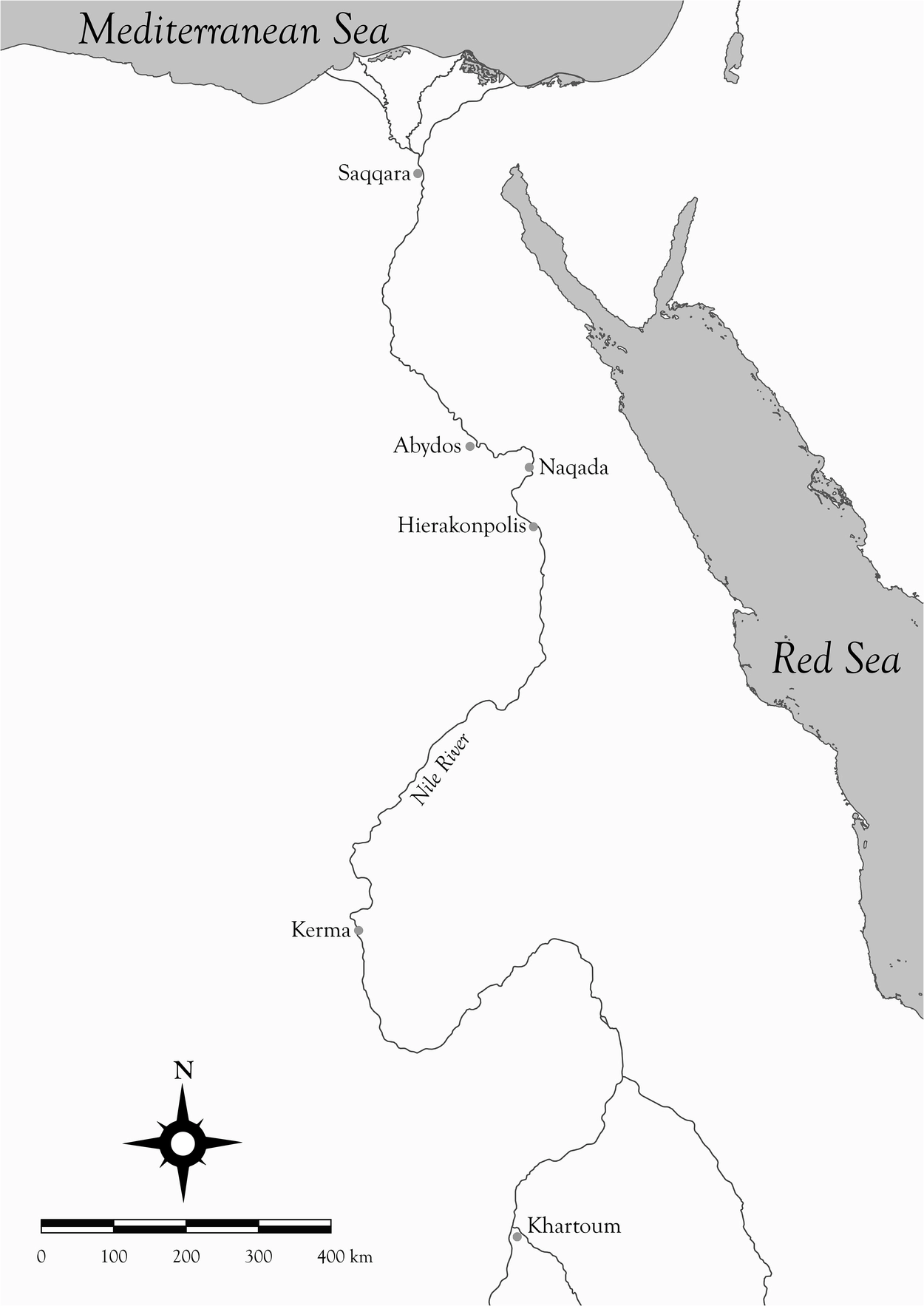
The First Dynasty of Egypt marks a pivotal era of state formation, characterized by the consolidation of power following the unification of Upper and Lower Egypt. During this period, the royal necropolis at Abydos, specifically the area known as Umm el-Qa'ab, became the primary burial site for the early kings. The funerary complexes constructed here were unprecedented in scale, featuring massive subterranean chambers roofed with heavy timber beams. A defining and well-documented feature of these First Dynasty royal burials is the presence of subsidiary graves—dozens, and sometimes hundreds, of smaller tombs arranged in architectural patterns around the main royal enclosure. The individuals interred in these graves are understood to be retainers, a diverse group that likely included servants, artisans, guards, and perhaps courtiers or family members, intended to serve the pharaoh in the afterlife. The practice of retainer sacrifice was a massive logistical undertaking, requiring the simultaneous burial of numerous individuals alongside the king, but it was a relatively short-lived phenomenon in ancient Egypt, largely disappearing by the end of the Second Dynasty. Understanding the condition of the skeletal remains from these tombs requires an understanding of taphonomy, the study of how organisms decay and become preserved in the archaeological record. In the arid environment of Egypt, organic preservation can be excellent, but the specific microenvironments within deep tombs present unique challenges. Over millennia, the weight of shifting sands, the structural failure of tomb roofs, and fluctuations in subterranean moisture exert tremendous pressure on buried bones. When dry, brittle bone is subjected to such environmental forces, it fractures in characteristic ways, typically producing jagged, right-angled edges and a shattered appearance. This postmortem damage is what early excavators observed and assumed was the sole cause of the skulls' fragmented state. Modern bioarchaeology, however, utilizes precise criteria to distinguish this postmortem environmental damage from perimortem trauma—injuries sustained while the bone is still fresh, at or around the time of death. Fresh bone possesses viscoelastic properties due to its collagen and moisture content, allowing it to deform plastically before breaking. When fresh bone is struck with blunt force, it produces distinct fracture patterns. These include smooth, beveled edges, radiating fracture lines that extend outward from the point of impact, and concentric fractures that form around the impact site. Furthermore, fresh bone often shows signs of plastic deformation, where the bone bends and remains distorted without completely shattering. By meticulously analyzing the margins and patterns of the fractures on the skulls from the Abydos subsidiary tombs, researchers can identify these specific hallmarks of fresh-bone response. This forensic analysis allows them to separate the later taphonomic crushing from the initial, lethal blunt force trauma, providing a clearer picture of how these individuals met their end.
What we don't know
Despite the identification of perimortem blunt force trauma on the examined skulls, significant gaps remain in our understanding of early Egyptian retainer sacrifice, reflected in the current assessment of insufficient data. We do not know if blunt force trauma was the universal or even the primary method of dispatching retainers across all First Dynasty funerary complexes. The skeletal record from these early excavations is inherently incomplete. Many bones uncovered in the late nineteenth and early twentieth centuries were not retained by excavators, were poorly curated, or have degraded over time, severely limiting the sample size available for modern macroscopic and microscopic analysis. Consequently, it remains unknown whether other methods of sacrifice that leave no trace on the skeleton—such as poisoning, strangulation, or exsanguination—were also widely employed during these rituals. Furthermore, the specific social identity, status, and origins of the victims remain largely obscure. We do not know if the individuals in the subsidiary graves were willing participants who viewed their sacrifice as a profound religious duty and a guaranteed path to a privileged afterlife, or if they were coerced captives, enslaved individuals, or specifically selected members of the royal household. The demographic profile of the victims is also incomplete; without comprehensive analysis of the postcranial remains, which are often missing from legacy collections, it is difficult to determine the overall health, age distribution, and physical stress levels of the sacrificed population. The exact sequence and logistics of the funerary rituals also remain a matter of ongoing research and debate. It is unclear whether the victims were killed directly at the gravesite, perhaps as part of a public or semi-public spectacle accompanying the royal interment, or if they were dispatched elsewhere and their bodies subsequently transported and arranged in the subsidiary tombs. Additionally, the broader ideological justification for the sudden emergence of massive-scale human sacrifice at the dawn of the Egyptian state, and the reasons for its equally abrupt abandonment a few generations later, continue to be subjects of intense discussion among historians and archaeologists.
What is claimed
The recent bioarchaeological analysis presents the explanation that the individuals interred in the subsidiary tombs were victims of retainer sacrifice who were killed by blunt force trauma to the head shortly before or at the time of death. This interpretation is based on the identification of specific fracture patterns, such as plastic deformation and radiating lines, which are consistent with fresh-bone response to a lethal impact. Conversely, the original assumption formulated by early twentieth-century excavators has been ruled out for the specific remains examined in the new study. That earlier explanation posited that the individuals died of natural causes or unspecified means, and that the severe cranial fractures observed upon excavation occurred entirely postmortem due to natural taphonomic processes, specifically the immense pressure of soil and the collapse of the tomb structures over thousands of years. The modern analysis demonstrates that while such postmortem environmental damage is certainly present, it overlies and obscures the earlier, perimortem injuries that were the likely cause of death.
What is verified
It is verified that a peer-reviewed study detailing the re-examination of these skeletal remains was published in Frontiers in Environmental Archaeology. The media reports from outlets such as Naked Science and ScienceAlert accurately reflect the core conclusions of this study regarding the identification of perimortem blunt force trauma. The historical and archaeological context underpinning the research—the existence of massive royal funerary complexes at Abydos featuring hundreds of subsidiary graves dating to the First Dynasty—is a thoroughly documented and verified reality of early Egyptian history. Furthermore, the methodological framework employed by the researchers is verified; the application of established forensic criteria to distinguish between the viscoelastic response of fresh bone to perimortem trauma and the brittle fracture patterns of dry bone subjected to postmortem environmental pressure is a standard and recognized practice in modern bioarchaeology. The value of revisiting legacy collections held in museum archives, applying contemporary analytical techniques to older finds to extract new data, is also a well-established and highly productive avenue of ongoing archaeological research.
Competing explanations
- Possible: The individuals were victims of retainer sacrifice, killed by blunt force trauma to the head shortly before or at the time of death.
- Ruled out: The individuals died of natural causes and the cranial fractures occurred postmortem due to natural taphonomic processes, as originally assumed by early 20th-century excavators.
What would change our assessment
To move the assessment beyond insufficient data and build a more comprehensive understanding of the mechanics of retainer sacrifice in early Egypt, researchers would require a significantly larger and more diverse sample size of skeletal remains from various First Dynasty sites. If consistent patterns of perimortem blunt force trauma were identified across a wider range of subsidiary burials, it would strongly support the conclusion that this was a standardized and widespread method of dispatching retainers. The discovery of physical weapons, such as the ceremonial pear-shaped maces characteristic of the Early Dynastic period, in direct archaeological association with the victims—perhaps even bearing microscopic traces of use or organic residue—would provide compelling corroborating evidence linking the trauma to specific implements. Future excavations utilizing modern, meticulous stratigraphic and forensic protocols could also fundamentally change the assessment. If an intact, undisturbed subsidiary burial were discovered and excavated today, the precise spatial relationship between the body, the surrounding soil matrix, and any associated artifacts could offer crucial contextual clues about the manner of death, the positioning of the body at the time of the fatal blow, and the sequence of the funerary ritual. Additionally, the application of advanced imaging techniques, such as high-resolution CT scanning, to a broader array of remains could help build a detailed, three-dimensional database of trauma patterns, allowing for more precise biomechanical modeling of the impacts. Isotopic analysis of the teeth and bones could also provide vital information about the geographic origins, diet, and life history of the victims, helping to clarify their social status and the criteria by which they were selected for sacrifice.
Videos from the sources
Sources
- Frontiers in Environmental Archaeology (supports, primary)
- Phys.org (supports)
- Naked Science (supports)
- ScienceAlert (supports)
- Frontiers in Environmental Archaeology (dx.doi) (supports)
- Frontiers in Environmental Archaeology (doi) (supports)
Protocol AENIGMA-EF-0.1