Evidence: Unsubstantiated Explanation: Not enough data yet
Cyclopia infant skull in Peru: What the excavation shows
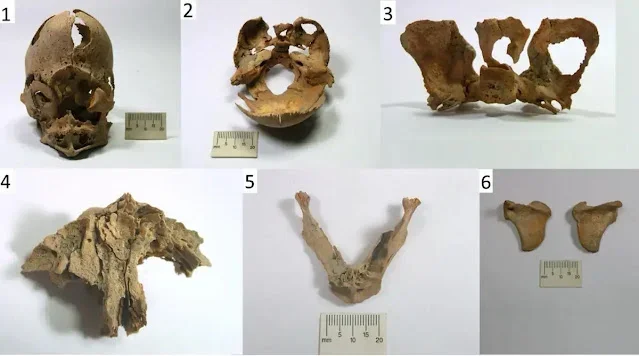
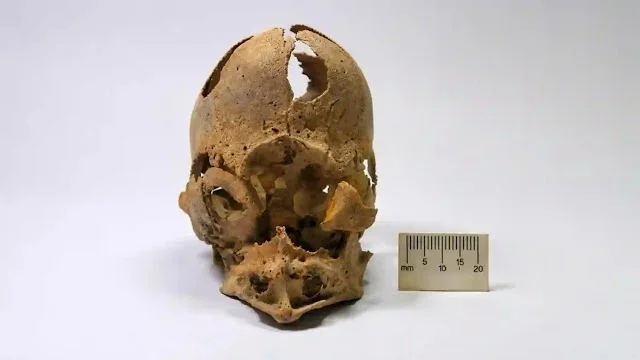
A strange infant skull exhibiting signs of cyclopia has been reported from an excavation in Peru, analyzed by an international team of specialists. This discovery provides a rare opportunity to study severe congenital conditions in antiquity and understand how ancient societies interacted with profound physical differences. While the biological condition is evident from the remains, the cultural and familial response to the infant currently lacks sufficient data to be fully understood.
Why AENIGMA is covering this
AENIGMA covers this discovery because it exemplifies the profound intersection of advanced scientific technique and fundamental human questions. The study of the infant skull from Peru is not merely an exercise in cataloging ancient diseases; it is an attempt to understand the boundaries of human experience in the distant past. By highlighting the rigorous methodology employed by the researchers—combining osteology, genetics, and archaeological context—we illuminate how modern science extracts meaning from silent remains. More importantly, this case underscores the crucial distinction between biological data and cultural interpretation. It serves as a powerful reminder that while we can sequence the DNA and measure the bones, the emotional and social realities of ancient lives often remain just beyond our reach. Covering this research aligns with our commitment to presenting evidence-based archaeology while acknowledging the inherent limitations of our knowledge. It demonstrates how careful science separates what can be definitively known from what must remain a question, fostering a deeper, more accurate appreciation for the complexities of human history.
What happened
A strange infant skull exhibiting signs of cyclopia has been reported from an excavation in Peru, drawing attention to the complex intersection of ancient genetics, paleopathology, and burial practices. This discovery opens a unique window into how past societies interacted with severe congenital conditions, presenting a challenging case for modern bioarchaeologists. The Andean region is renowned globally for its exceptional preservation of organic materials, largely due to the arid climate of the coastal deserts and the freezing temperatures of the high-altitude mountains. This unique environment allows researchers to study not just skeletal remains, but often soft tissue, hair, and textiles, providing a remarkably rich context for understanding ancient lives and deaths. Paleopathology, the dedicated study of ancient diseases and anatomical abnormalities, relies heavily on such well-preserved contexts to reconstruct the health profiles of past populations. When an infant with a severe condition like cyclopia is found in the archaeological record, it challenges researchers to look far beyond the biological anomaly and consider the social and environmental context into which the child was born. Cyclopia is an extremely rare form of holoprosencephaly, a congenital disorder characterized by the failure of the embryonic prosencephalon to properly divide the orbits of the eye into two distinct cavities. In modern medical contexts, it is understood as a complex developmental issue, often linked to specific genetic mutations or exposure to environmental toxins during the earliest stages of pregnancy. Finding such a condition in an archaeological setting is exceedingly rare, making every documented case a critical piece of the puzzle in the long history of human pathology. The excavation in Peru thus serves as a focal point for a highly multidisciplinary approach, bringing together field archaeologists, osteologists, and geneticists to reconstruct the brief biological life and the subsequent burial of this infant.
What we know
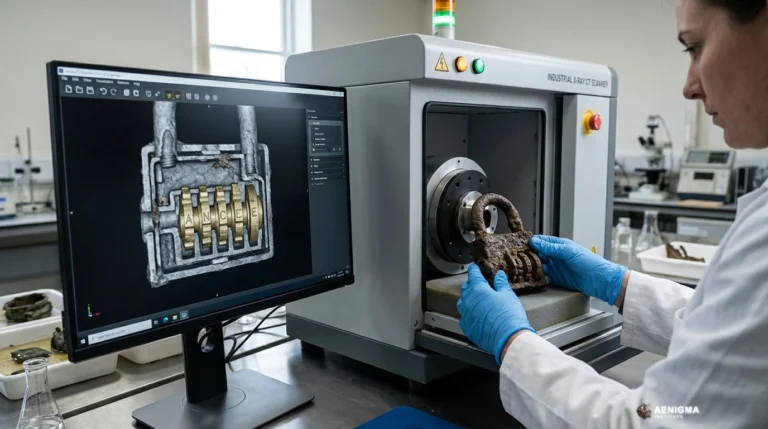
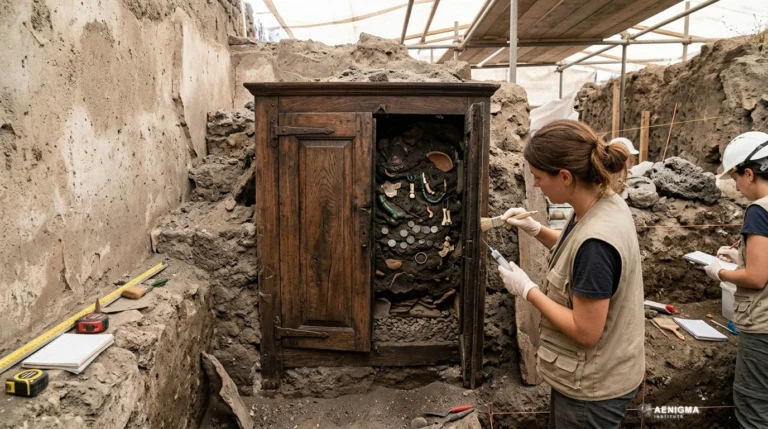
The investigation of these remains relies on a collaborative effort across different scientific disciplines. The research involves specialists from the Catholic University of Peru, and Lars Fehren-Schmitz, an expert in ancient DNA analysis at the University of California, Santa Cruz. The authors combine three categories of evidence: the skeleton, the genetic material, and the burial context. They use this combination to separate what can be known, the condition of the child, from what cannot be determined: how its family experienced this condition and what kind of care it received. The skeletal evidence is the most immediate and tangible aspect of the discovery. Osteological analysis of infant remains is notoriously difficult due to the fragile nature of unfused bones, but it can reveal the extent of the cranial fusion, the development of the facial structure, and any secondary skeletal markers that might indicate systemic health issues. The skull, being the primary site of the anomaly, requires careful morphological examination, often utilizing advanced imaging techniques like micro-CT scans to understand the internal architecture of the bone without damaging the delicate remains. The second category, genetic material, represents the frontier of modern bioarchaeology. Extracting ancient DNA from remains, particularly from dense regions like the petrous bone which preserves genetic material exceptionally well, allows scientists to look for specific chromosomal abnormalities. The work conducted at specialized facilities involves rigorous protocols to prevent contamination from modern DNA, aiming to pinpoint the exact biological cause of the developmental failure. The third category, the burial context, provides the crucial cultural framework. The position of the body, the type of grave, the stratigraphy of the site, and the location of the burial relative to other members of the community all offer silent testimony about how the individual was treated in death.
What we don't know
As the researchers explicitly note, there is a fundamental divide between the biological facts recovered from the ground and the human experience of the past. We do not know how the family experienced this condition. The emotional landscape of antiquity is largely inaccessible to archaeological methods. We cannot determine the shock, grief, or perhaps acceptance that the parents felt upon the birth of a child with such profound physical differences. The skeletal record captures a static moment in time, usually the moment of death or shortly thereafter, but it cannot record the fleeting emotions or the intimate family dynamics that surrounded the event. Furthermore, we do not know what kind of care the infant received, if any, during its presumably very brief life. Infants born with cyclopia typically do not survive long after birth due to associated severe brain and respiratory abnormalities. Whether the child was provided with palliative comfort, subjected to immediate infanticide, or simply succumbed naturally within hours is impossible to ascertain from the bones alone. The archaeological evidence is inherently silent on these brief, undocumented actions of care or neglect. We also lack definitive knowledge about the broader societal reaction to the birth. While the burial context provides some clues, it does not offer a complete narrative of the community's beliefs regarding congenital anomalies. We do not know if there were specific rituals performed for such births, or if the event was recorded in the oral traditions of the culture. The absence of written records in pre-Columbian Andean societies means that researchers are entirely reliant on the material evidence, which cannot fully articulate matters of theology, folklore, or personal sentiment. The specific genetic or environmental trigger that caused the holoprosencephaly in this particular instance also remains an open question, pending the final results of the comprehensive DNA analysis.
What is claimed
When unusual physical traits are discovered in the archaeological record, various interpretations often emerge regarding how ancient societies perceived them. Within the broader field of anthropology, it is frequently suggested that individuals with severe congenital anomalies might have been viewed through a lens of supernatural or divine intervention. In many ancient cultures across the globe, unusual births were sometimes interpreted as omens, either auspicious or inauspicious, reflecting the will of the gods or a perceived disruption in the natural order of the cosmos. Some researchers propose that infants born with profound physical differences might have been feared or marginalized, potentially leading to exclusion from typical community burial grounds. Conversely, others argue within the framework of the 'bioarchaeology of care' that such individuals could have been revered, their unique appearance marking them as touched by the spiritual realm. In the context of Andean archaeology, where the physical body was often seen as a vessel with enduring spiritual significance even after death, the treatment of anomalous remains is a subject of intense theoretical debate. There are also claims regarding the environmental or dietary factors that might have contributed to such congenital conditions in the past. Some hypotheses point to the consumption of specific toxic plants by the mother during early pregnancy, as certain alkaloids are known to disrupt embryonic development and cause cyclopia in grazing mammals, though applying this directly to human populations remains speculative. Others suggest that the high-altitude environments of the Andes, with their unique physiological stressors and hypoxia, might have played a role in the prevalence of certain developmental disorders. The interpretation of the burial context itself generates diverse claims; a lack of grave goods might be seen by some as a sign of low status or rejection, while a careful, deliberate burial might be interpreted by others as a sign of familial grief and care, regardless of the infant's condition.
What is verified
What is firmly established in this case is the physical reality of the skeletal remains and the institutional framework of the research. The involvement of the Catholic University of Peru and the genetic expertise provided by Lars Fehren-Schmitz at the University of California, Santa Cruz, are documented facts of the investigation. The application of a tripartite analytical approach—combining osteology, genetics, and archaeological context—is the verified methodology used by the team to approach this complex find. It is also a verified medical and biological fact that cyclopia is a recognized phenomenon, representing a severe manifestation of holoprosencephaly that occurs during the very early stages of embryonic development. The anatomical markers of this condition, such as the single central orbital cavity and the absence of a typical nasal structure, are well-documented in scientific literature and can be definitively identified in skeletal remains when preservation allows for detailed morphological study. Furthermore, the standard procedures for archaeological excavation and bioarchaeological analysis in Peru are well-established and strictly regulated. These involve rigorous protocols overseen by the Ministry of Culture for the recovery, stabilization, and transport of human remains, ensuring that the context is meticulously recorded before any material is removed from the ground. The extraction of ancient DNA is similarly governed by strict scientific standards, requiring specialized clean rooms and advanced sequencing technologies to isolate the endogenous genetic material from modern environmental contaminants. The application of these established methodologies ensures that the biological data recovered from the site is handled according to modern scientific standards.
What would change our assessment
Clarifying the cultural and familial response to this infant would require a much broader comparative dataset. If archaeologists were to discover multiple burials of individuals with severe congenital anomalies within the same specific region and time period, discernible patterns might emerge. Consistent burial practices for such individuals—whether they were consistently isolated in specific areas, consistently buried with specific types of offerings, or integrated normally into standard community cemeteries—would provide a much stronger, evidence-based foundation for understanding societal attitudes toward deformity. Advances in isotopic analysis could also shift our understanding of the maternal experience and potential environmental factors. By analyzing the isotopic composition of the infant's bones and forming teeth, researchers might gain insights into the mother's diet, mobility, and overall health during the pregnancy. For instance, strontium and oxygen isotopes can trace geographical movement, while carbon and nitrogen isotopes reveal dietary habits. If evidence of severe nutritional stress or exposure to specific environmental conditions were identified, it could provide a tangible link between the mother's environment and the infant's developmental condition. Additionally, the successful sequencing of the entire genome from the ancient DNA could definitively identify the specific genetic mutations responsible for the cyclopia in this individual. This would move the diagnosis from a morphological description to a precise molecular identification, allowing researchers to compare the ancient genetic profile with modern medical databases. Finally, the discovery of contemporaneous iconography—such as pottery, textiles, or murals depicting individuals with physical anomalies—could offer a rare glimpse into how these conditions were visualized and perhaps mythologized by the culture, providing the missing cultural context that the bones alone cannot supply.
Videos from the sources
Sources
- AENIGMA Editorial — Barbara Miller (supports)
Protocol AENIGMA-EF-0.1