Evidence: Unsubstantiated Explanation: Not enough data yet
Alexander the Great's Soldiers: What Tombs in Turkey Really Show
Alexander the Great's soldiers have been linked in recent reports to an ancient necropolis uncovered at Aigai in western Turkey. Excavations directed by Faris Demir revealed Hellenistic burials containing grave goods, but physical evidence tying the deceased specifically to Macedonian troops remains unconfirmed. Archaeological analysis indicates the site was used over centuries by local inhabitants and regional residents.
Why AENIGMA is covering this
Reporting on archaeological discoveries in the Mediterranean frequently requires disentangling verified material remains from evocative historical headlines. Discoveries associated with famous conquerors, particularly Alexander the Great, routinely attract global public fascination, which can lead to premature conclusions before scientific analyses are completed. AENIGMA covers these developments to provide readers with an objective, evidence-based assessment of field discoveries. Examining the excavations at ancient Aigai offers a clear view into how rescue archaeology functions, how ancient cemeteries are excavated and dated, and why caution is essential when attributing physical remains to legendary historical campaigns. By explaining the standard methodologies of archaeology—from ceramic typology and stratigraphy to osteology and epigraphy—this report illustrates what is genuinely established at ancient Aigai and what remains an intriguing but unproven hypothesis. The site stands on its own merits as a valuable source of historical information regarding ancient Aeolian culture without needing unverified links to celebrated military campaigns.
What happened
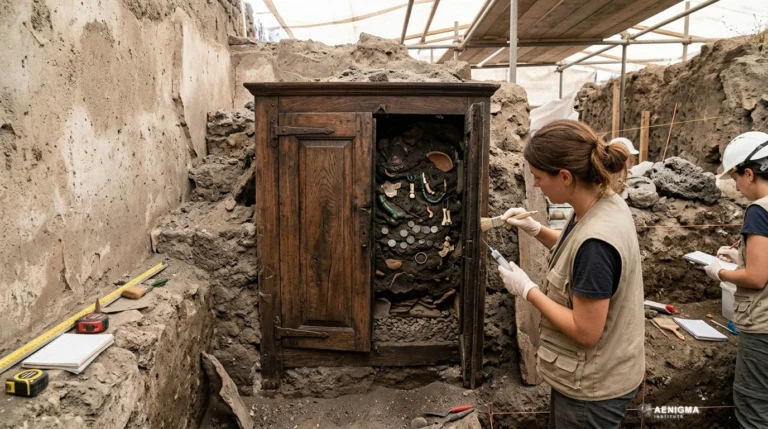
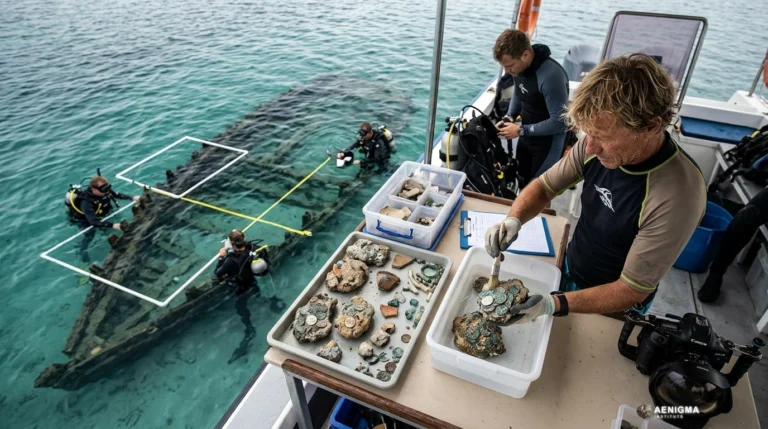
Rescue excavations conducted at the archaeological site of ancient Aigai in western Turkey brought to light a significant group of burials dating to antiquity. The field operations, directed by archaeologist Faris Demir, were initiated to document and safeguard archaeological layers within a cemetery area that spanned both the Hellenistic period and later Roman imperial times. During the excavation of the necropolis, researchers uncovered multiple grave structures along with ceramic vessels, personal items, and traditional funerary offerings typical of western Anatolian settlements. Initial reports published in Greek and regional media, including XanthiNea.gr, highlighted the discovery and raised the possibility that some of the burials could be connected to soldiers from the army of Alexander the Great. Media coverage rapidly focused on the dramatic historical connection to the Macedonian campaign in Asia Minor during the fourth century BC. While the fieldwork confirmed the existence of well-preserved Hellenistic graves, the direct identification of the deceased as veteran soldiers of Alexander represents an interpretative hypothesis rather than an established archaeological finding. The recovery of the burials allows specialists to document the layout, construction techniques, and chronological sequence of the necropolis. The findings have prompted renewed academic interest in the Hellenistic history of ancient Aigai, while also illustrating how rescue archaeology frequently intersects with public fascination surrounding prominent historical figures.
What we know
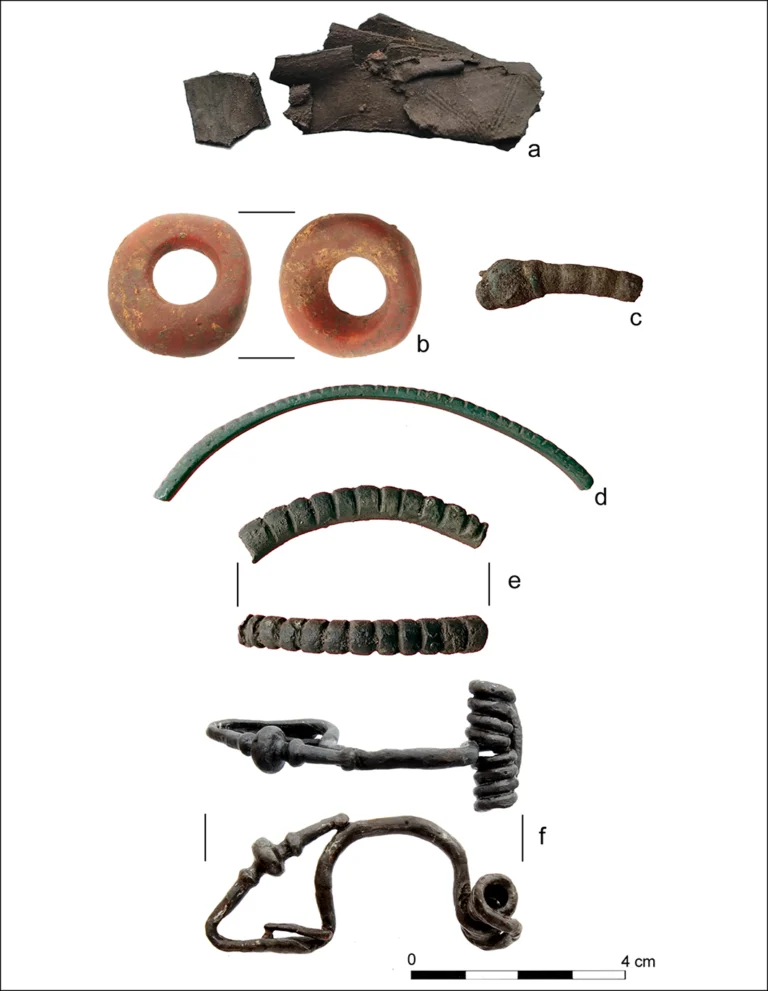
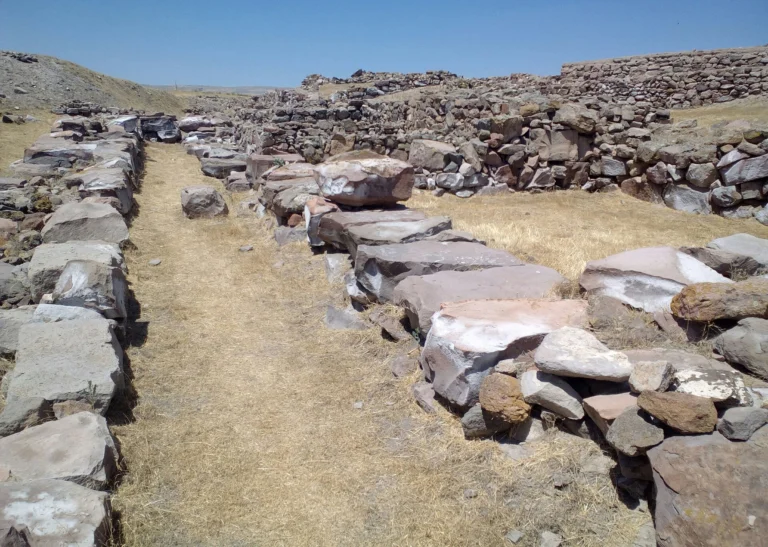
Ancient Aigai was one of the twelve historic cities of the Aeolian League situated in the mountainous region of Aeolis in northwestern Asia Minor. Founded during early Greek migrations, the settlement developed into a fortified hilltop center that maintained active regional trade, civic institutions, and defensive positions throughout the classical and Hellenistic eras. The necropolis uncovered during the recent rescue project encompasses funerary structures that reflect established burial customs of the Hellenistic world, generally defined between the death of Alexander the Great in 323 BC and the rise of the Roman Empire in 31 BC. The graves include stone-lined cist graves, tile-covered inhumations, and related burial architectures commonly encountered across western Anatolia. Stratigraphic relationships demonstrate continuous or episodic use of the funerary grounds from the early Hellenistic period through the Roman era. Excavations led by Faris Demir recovered an array of grave goods deposited alongside the deceased. These artifacts consist primarily of terracotta pottery, unguentaria used for scented oils, simple lamps, and modest personal adornments characteristic of Hellenistic civic life. The typological features of the recovered ceramics align closely with standard Aeolian and broader Hellenistic manufacturing traditions of the third and second centuries BC. Historical records confirm that the wider region of Lydia and Aeolis witnessed the passage and garrisoning of Macedonian forces following Alexander's crossing of the Hellespont in 334 BC and his victory at the Battle of the Granicus. Following his death, the region fell under the control of competing successor dynasties, including the Antigonids, Lysimachus, and eventually the Seleucid and Attalid spheres of influence, ensuring a prolonged military and administrative presence across regional centers like Aigai.
What we don't know
It is not known whether any individual interred in the excavated graves was an active soldier, let alone a veteran of Alexander the Great's historic campaigns. Without specific epigraphic markers such as funerary stelae bearing military titles, origins from Macedonia, or distinct unit designations, individual identities cannot be confirmed. The exact demographic profile of the buried population remains undetermined pending formal physical anthropological analysis. Systematic osteological reports detailing age, biological sex, pathological indicators, or skeletal trauma consistent with combat activities have not yet been completed or released. In the absence of trauma analyses, skeletons cannot be categorized as combatants based solely on period context. Furthermore, it is not known whether the grave goods include distinctively Macedonian military equipment or personal insignia. Typical finds in Hellenistic civic cemeteries often overlap with items carried by civilian settlers, local elites, and domestic populations. Without clear contextual finds like Macedonian-style shield bosses, sarissa tips, or royal coinage tied to personal kits, the cultural affiliation of the deceased cannot be narrowed exclusively to military personnel. Finally, the precise chronological distribution across all excavated burials is still subject to refinement. While the broad timeframe spans the Hellenistic and Roman eras, the exact decade in which individual graves were cut remains open to stratigraphic and radiocarbon confirmation.
What is claimed
Reports published by regional media outlets, including XanthiNea.gr, suggested that the newly discovered tombs at Aigai may belong to soldiers who fought alongside Alexander the Great during his fourth-century BC expedition across Asia Minor. These accounts emphasized the timing of the burials and the strategic importance of western Anatolian cities during the initial stages of Macedonian expansion. The working hypothesis discussed by researchers relies on the geographic and historical context of the site. Aigai was positioned along overland corridors in northwestern Asia Minor where Macedonian garrisons and veteran settlements were established following the collapse of Achaemenid Persian rule. Proponents of the hypothesis suggest that military personnel stationed in the area or veterans granted land allotments could have been buried in the local necropolis. In popular retellings, this potential association has often been presented as a definitive connection to Alexander's personal army. Headlines framed the discovery around the conqueror's military exploits, drawing public attention to the enduring romance of Macedonian history. However, researchers on site have noted that while the regional historical framework supports such a possibility, conclusive verification requires substantial corroborating data that has not yet been demonstrated.
What is verified
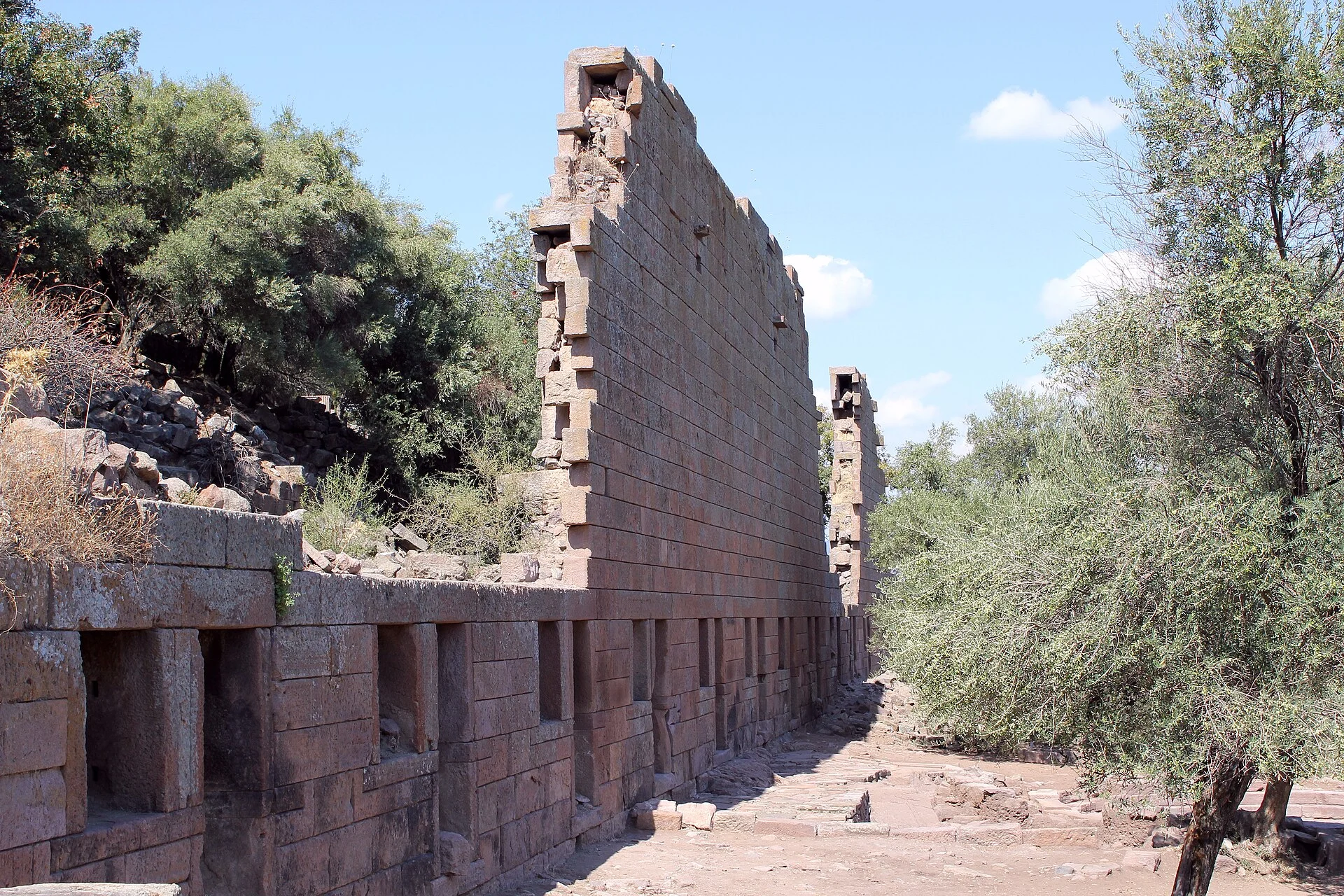
What is verified by archaeological fieldwork is the recovery of authentic ancient burial structures at ancient Aigai through rescue excavations supervised by Faris Demir. The architectural elements documented at the site include stone cist burials and associated grave architectures that conform to established ancient Mediterranean burial practices. The recovered material culture verifies the chronological placement of the necropolis within the Hellenistic era, with evidence of continued mortuary activity into the Roman period. Ceramic assemblages, including diagnostic tableware, oil containers, and mortuary vessels, provide reliable stylistic horizons placing primary usage between the late fourth century BC and the first century BC, followed by later reoccupations. Archaeological verification also extends to the civic context of ancient Aigai itself. As an Aeolian city with extensive monumental architecture, including a theater, agora, and defensive fortifications, the settlement supported an organized urban population with dedicated extramural cemeteries. The newly investigated sector forms a legitimate part of this broader mortuary landscape. No verified inscriptions, military insignia, or distinctive Macedonian ethnic signifiers have been published that directly link these specific graves to Alexander's troops. At present, the evidence supports only the presence of a well-documented Hellenistic and Roman necropolis belonging to the population of ancient Aigai.
Competing explanations
- Possible: The necropolis served local inhabitants or military residents of ancient Aigai across the Hellenistic and Roman periods, dating from 323 BC to 31 BC and continuing into Roman times.
- Possible: The graves may belong to Macedonian soldiers connected to Alexander the Great's campaigns in Asia Minor, a working hypothesis proposed due to regional historical links but not yet verified by osteological or epigraphic evidence.
What would change our assessment
The current assessment would change if epigraphic material were recovered from the burial context. A funerary stele, inscription, or inscribed vessel bearing a Macedonian name, a known regional origin from northern Greece, or explicit references to military rank or royal regiments would provide direct evidence connecting the deceased to the Macedonian military establishment. Comprehensive osteoarchaeological examination could also shift the balance of evidence. Detailed skeletal analysis demonstrating recurrent weapon-induced trauma—such as blade wounds, healed fractures typical of close-quarters combat, or projectile impacts—combined with demographic data skewed heavily toward young adult males would significantly bolster the military hypothesis. Biomolecular research would offer critical insights into the geographical origins of the individuals. Strontium and oxygen stable isotope analyses performed on tooth enamel can determine where individuals spent their childhood, distinguishing between people raised in Macedonia or northern Greece and local inhabitants of western Anatolia. Ancient DNA sequencing could similarly clarify regional ancestral affiliations. Finally, the discovery of diagnostic military paraphernalia within undisturbed burial assemblages would substantially alter the current interpretation. Items such as characteristic Macedonian greaves, specific helmet types, or official military seals would directly substantiate a soldier's burial rather than a standard civilian interment.
Sources
- XanthiNea.gr (supports)
Protocol AENIGMA-EF-0.1