Evidence: Unsubstantiated Explanation: Not enough data yet
New Lunar Crater Reports Highlight Subsurface Thermal Anomaly
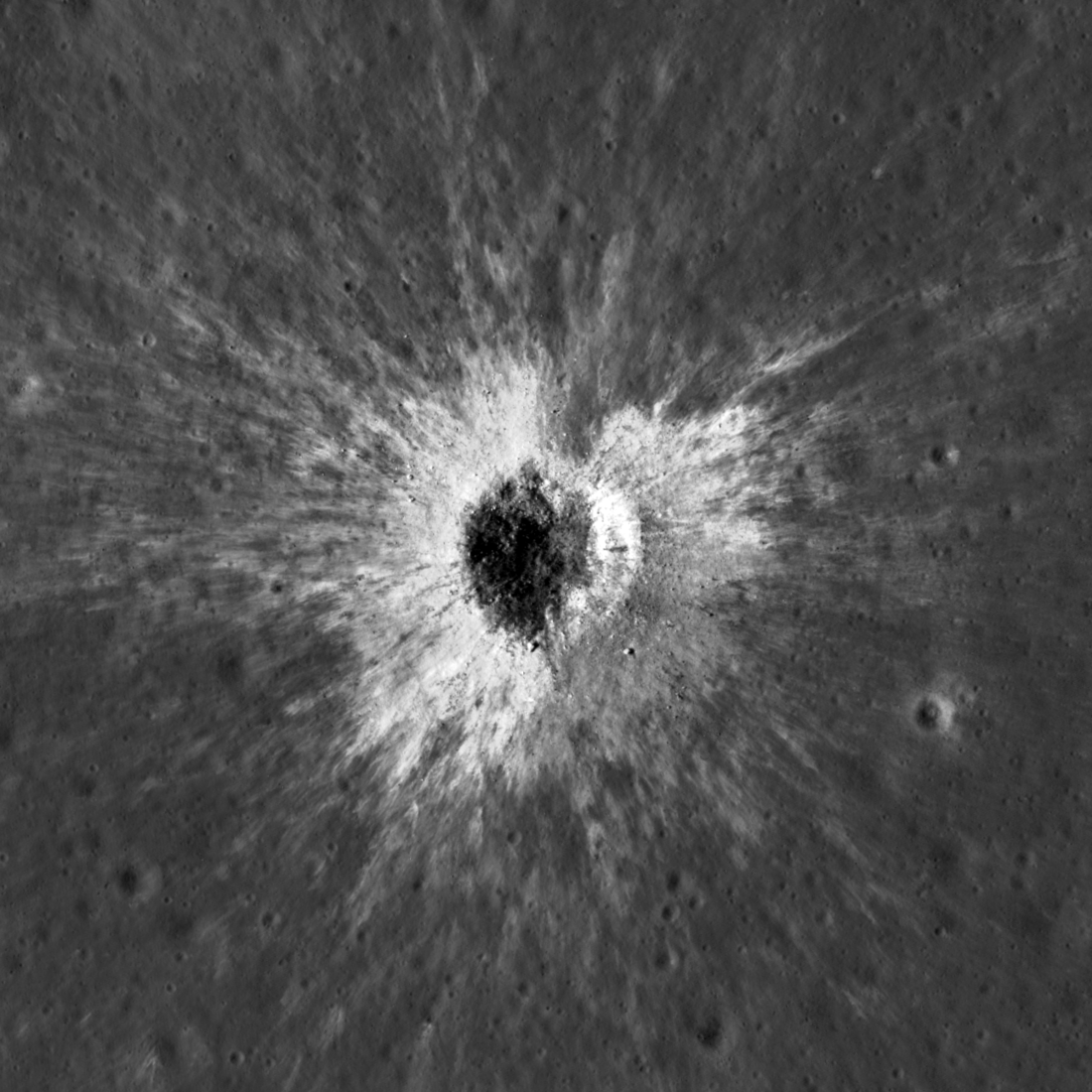
Recent media reports describe a newly observed lunar crater, referred to as the McGetchin crater, which exhibits unusual thermal properties. It is proposed that the impact altered the surrounding regolith, though current data is insufficient to fully confirm this explanation.
Why AENIGMA is covering this
This article synthesizes details from multiple international reports to provide a comprehensive overview of the McGetchin crater's dimensions and thermal properties. It also highlights the specific scientific explanation proposed for the thermal anomaly surrounding the impact site.
What happened
Multiple media outlets, including HuffPost Greece, Sciencepost, and EcoPortal.net, have published reports regarding a newly observed crater on the Moon, identified as the McGetchin crater. These publications state that the impact site and its surrounding area display a distinct thermal anomaly, prompting discussions about the characteristics of the lunar subsurface.
What we know
Based on the provided reports, there is a crater with specific dimensions that exhibits a thermal anomaly. The anomaly is characterized by a region that retains less heat during the lunar night. HuffPost Greece and EcoPortal.net are verified sources covering this observation.
What we don't know
The exact date of the impact and the precise composition of the subsurface material remain unknown. Furthermore, the specific mechanics of how the impact altered the thermal properties of the surrounding area are not fully detailed in the available data.
What is claimed
One proposed explanation is that the impact churned and loosened the surrounding lunar regolith. It is claimed that this process reduced the material's density and heat retention, which in turn creates the large cold zone observed at night.
What is verified
It is verified that international media outlets are reporting on the crater's thermal properties. However, the overall evidence status for the broader claims remains unsubstantiated, and the explanation status is currently classified as having insufficient data.
Competing explanations
- Possible: The impact churned and loosened the surrounding lunar regolith, reducing its density and heat retention, which creates a large cold zone at night.
What would change our assessment
The assessment would change if new data from lunar orbiters or surface missions provided direct measurements of the regolith's density and thermal conductivity at the impact site, allowing for a formal evaluation of the proposed explanation.
Sources
- HuffPost Greece (supports)
- Sciencepost (supports, unverified)
- EcoPortal.net (supports)
Protocol AENIGMA-EF-0.1