Evidence: Insufficient data Explanation: Not enough data yet
Crater of Diamonds 6-carat yellow stone and its true market value
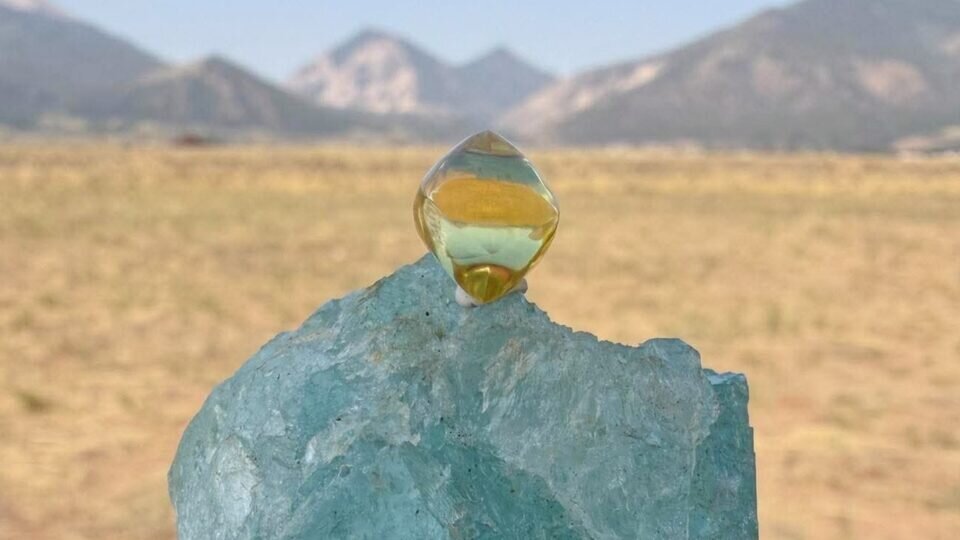
The Crater of Diamonds 6.03-carat yellow stone has captured widespread attention with a million-dollar valuation claim. While the rough gem is a significant geological discovery, certified appraisers offer a much different valuation based on the realities of the global gemstone market.

Why AENIGMA is covering this
We are covering this story to contrast a viral, sensationalized financial claim with realistic expert valuations. Public fascination with treasure hunting and sudden wealth often obscures the complex scientific and economic realities of gemology. By examining the geological context of how these stones naturally surface, we provide a clearer understanding of what such discoveries actually entail. Detailing the rigorous process of professional appraisal further demystifies the gemstone trade for the public. This approach grounds an extraordinary event in established facts, educating readers on the difference between a raw geological specimen and a finished retail gemstone. It highlights the intricate journey a diamond takes from the Earth's mantle to the jeweler's showcase. Emphasizing the risks and expertise involved at every stage shows why rough stones are valued differently than polished gems. Offering a comprehensive view beyond the initial headlines ensures that the public receives an accurate portrayal of mineral economics. Separating the genuine geological significance of the find from the exaggerated financial narratives allows for a more informed perspective. It demonstrates the value of professional assessment in an industry where raw potential must always be weighed against physical realities. Understanding the mechanics of the diamond trade helps dismantle the unrealistic expectations set by viral media stories. Ultimately, it reinforces the importance of evidence-based valuation over speculative claims in the assessment of natural discoveries. The story of the 6.03-carat yellow diamond serves as a compelling case study in the intersection of geology, media, and economics. It illustrates how easily a remarkable natural event can be overshadowed by financial speculation. By focusing on the verified geological processes and the established protocols of the gem trade, we aim to restore the scientific context to this discovery. This ensures that the true value of the find is understood not just in terms of potential dollars, but as a rare and fascinating product of the Earth's deep history.
What happened
A recent discovery generated widespread international attention after the finder announced unearthing a yellow diamond worth one million dollars. The stone, weighing 6.03 carats, was recovered in its rough, natural state. Almost immediately following the discovery, the million-dollar valuation began circulating through various media outlets. This transformed a geological find into a viral story about sudden, life-changing wealth. The narrative of an everyday individual stumbling upon a fortune resonates deeply with the public. It drives rapid sharing and reporting across news platforms globally. Historically, the allure of unearthing precious gems has driven massive migrations and shaped local economies. From the diamond rushes of South Africa in the late nineteenth century to modern artisanal mining operations, the promise of buried wealth holds a powerful cultural grip. When a modern find echoes these historical rushes, the media response is often swift and highly sensationalized. Stories of this nature frequently travel faster than formal scientific and economic appraisal processes. Initial reports focused heavily on the sheer size of the stone and the astronomical financial figure attached to it by the finder. In the immediate aftermath of such discoveries, raw excitement frequently overshadows the complex realities of gemology and mineral economics. The public is presented with a finished narrative before any professional examination of the physical evidence has taken place. This rapid dissemination of an unverified financial claim creates a specific challenge for gemological professionals and market analysts. Once a high monetary figure is established in the public consciousness, it becomes a psychological anchor against which the stone is judged. The event highlights the powerful intersection between natural discoveries and the human fascination with hidden treasure. It demonstrates how quickly a raw geological specimen can be conceptually transformed into a priceless artifact in the public eye. The focus shifts entirely to the perceived monetary windfall, leaving the scientific context of the mineral recovery largely ignored. Such viral phenomena underscore the enduring cultural power of diamonds as symbols of ultimate value. This remains true even when the specimen in question has just been pulled from the dirt and remains completely unassessed by industry standards. The story of the 6.03-carat stone perfectly encapsulates this dynamic. It illustrates the vast gap between a raw geological find and a realized financial fortune. The widespread coverage of the million-dollar figure demonstrates how easily speculative valuations can dominate the factual reporting of a natural discovery. News outlets often prioritize the emotional impact of a sudden fortune over the technical details of mineral appraisal. This editorial choice amplifies the initial claim, creating an echo chamber where the million-dollar figure is repeated until it feels like an established fact. The rapid pace of digital media leaves little room for the measured, deliberate pace of professional gemological evaluation, allowing the public narrative to outpace the scientific reality.
What we know
The physical existence of the 6.03-carat yellow diamond is an established fact. The stone was recovered from a known diamond-bearing geological site, specifically the Crater of Diamonds State Park in Arkansas. This location is a managed geological area where historical operational frameworks have permitted the retention of recovered minerals by those who find them. To understand the significance and the reality of a six-carat discovery, it is necessary to examine the geological mechanisms that bring these stones to the surface. Diamonds are formed deep within the Earth's mantle, typically at depths of 100 to 150 miles. They crystallize under conditions of extreme pressure and high temperatures over millions or billions of years. The environment requires temperatures around 2,000 degrees Fahrenheit and pressures exceeding 725,000 pounds per square inch. They are composed of pure carbon atoms arranged in a rigid, three-dimensional crystal lattice. These stones remain trapped in the deep Earth until they are transported to the surface by deep-source volcanic eruptions. These highly energetic eruptions create carrot-shaped pipes of igneous rock, most commonly kimberlite or lamproite. The magma travels toward the surface at high speeds, carrying the diamonds along with other mantle rocks and minerals. This violent and rapid journey acts as a geological elevator, preserving the high-pressure crystal structures that would otherwise revert to graphite if the ascent were slow. Lamproite pipes are significantly rarer than kimberlite pipes, making the Arkansas deposit a subject of intense geological interest. The magma that forms these pipes originates from the Earth's mantle and is highly enriched in potassium and incompatible elements. As this magma ascends, it sweeps up diamonds that crystallized long before the eruption occurred. The site where this diamond was found sits on the eroded surface of a lamproite volcanic pipe known as the Prairie Creek diatreme. This specific volcano erupted approximately 100 million years ago during the Cretaceous period. Over millennia, the softer volcanic rock at the surface weathered away, leaving the harder, more resilient diamonds loose in the topsoil. The management of the site involves regular mechanical plowing of the 37-acre volcanic pipe. This agricultural-style intervention turns the soil, aiding the natural erosion process and bringing deeper, unweathered lamproite material closer to the surface. The yellow coloration of the newly discovered 6.03-carat stone is a well-understood gemological phenomenon. While pure diamonds are colorless, the presence of trace elements during the stone's formation can alter its appearance. Yellow diamonds acquire their tint from nitrogen atoms that replace carbon atoms within the crystal lattice. These nitrogen atoms absorb blue light, causing the stone to reflect yellow light back to the observer's eye. The intensity and distribution of this nitrogen dictate the depth of the color, which is a primary factor in the stone's ultimate desirability. In the gemological trade, these are often classified as Type I diamonds, which contain nitrogen as their main impurity. Specifically, Type Ib diamonds feature isolated nitrogen atoms rather than aggregated clusters. This specific atomic arrangement often produces the strongest and most vibrant yellow colors found in nature. Historically, the Prairie Creek diatreme has a documented record of producing significant diamonds. The first diamonds were discovered in the area in 1906 by a local farmer, John Huddleston. Since the site became a state park in 1972, tens of thousands of diamonds have been recovered, though the vast majority weigh only a fraction of a carat. However, the site has occasionally yielded massive stones, including the 40.23-carat Uncle Sam diamond, the largest diamond ever discovered in the United States. The recovery of a 6.03-carat stone, while statistically rare and highly notable, aligns perfectly with the known geological capabilities of this specific volcanic pipe. The geological context confirms that the stone is a natural product of the Earth's mantle. It was brought to the surface through well-documented volcanic processes that have been studied extensively by geologists for over a century. The physical characteristics of the rough stone are entirely consistent with the mineralogical profile of the Arkansas deposit. The geological history of the region involves complex tectonic activity that facilitated these deep-source eruptions. The North American craton provided the stable, thick continental crust necessary for diamond preservation in the mantle root below. When the Prairie Creek diatreme erupted, it blasted through this crust, leaving a crater that eventually filled with volcanic ash and debris. Subsequent erosion over millions of years leveled the crater, exposing the diamond-bearing lamproite to the elements. Rain, wind, and temperature fluctuations slowly broke down the host rock, releasing the diamonds into the surrounding soil and creating a secondary deposit known as an eluvial placer.
What we don't know
Despite the confirmed recovery of the stone, crucial information regarding its internal structure and true market potential remains unknown. The external appearance of a rough diamond provides only a superficial indication of its final quality. We lack detailed data on the stone's internal clarity, which is a critical determinant of value in the global gem trade. Rough diamonds frequently contain inclusions, which are tiny crystals of other minerals like olivine, garnet, or diopside. These foreign minerals were trapped inside the diamond during its formation in the extreme environment of the mantle. The rough stone may also contain internal stress fractures, cleavage planes, or structural anomalies caused by the violent volcanic journey to the surface. These internal fractures, sometimes referred to in the trade as gletzes, can propagate during the heat and vibration of the cutting process. Without advanced imaging, the extent of these internal features is entirely hidden from view. The mechanics of light return in a faceted diamond are highly sensitive to internal disruptions. Even a microscopic inclusion, if located directly under the table facet, can reflect multiple times within the pavilion. This creates a visually distracting pattern that severely diminishes the stone's appeal and financial worth. Furthermore, the presence of internal strain is a common feature in diamonds that have survived explosive volcanic transport. This strain can make the stone highly unpredictable on the cutting wheel, posing a significant financial risk to the buyer. A cutter must carefully analyze the stone under polarized light to identify areas of anomalous birefringence. This optical effect indicates internal stress that could cause the diamond to shatter during the faceting process. It is entirely unknown how the finder arrived at the one-million-dollar valuation. No formal methodology, market comparables, or professional grading reports were provided alongside the initial viral announcement. The figure appears to be an arbitrary estimation rather than a calculation based on current wholesale or retail diamond markets. In the absence of a transparent appraisal process, the million-dollar claim exists solely as a media talking point rather than a verified financial metric. Furthermore, the final yield of the diamond is completely uncertain. When a rough diamond is cut and polished to maximize its brilliance and color, it typically loses a significant portion of its original mass. This loss is often between forty and sixty percent of the rough carat weight. The crystallographic orientation of the stone dictates how it must be cleaved and faceted to achieve the best optical performance. If the rough stone contains awkwardly placed inclusions or internal strain, a master cutter may be forced to sacrifice a large amount of material. A 6.03-carat rough stone might only yield a two- or three-carat polished diamond, drastically altering its market value. The geometry of the rough crystal also limits the potential shapes of the final polished gem, which further influences its appeal to buyers. We also do not know the exact color grade the stone will achieve once polished. The distribution of nitrogen within the crystal lattice is rarely perfectly even throughout the entire stone. Gemological laboratories grade colored diamonds on a strict scale, ranging from faint yellow to the highly prized Fancy Intense or Fancy Vivid categories. The rough stone's current appearance provides no certainty that it will achieve the highest saturation grades once the outer layers are removed. Sometimes, a stone that appears deeply colored in the rough will lighten significantly when cut. This occurs because the overall volume of material absorbing light is reduced during the faceting process. The surface of a rough diamond often features a frosted or textured exterior that obscures the interior. This natural coating is a result of chemical dissolution that occurs as the diamond is transported through the Earth's crust. Until a small window is polished onto the surface of the rough stone, appraisers can only estimate the clarity within. The exact location of any internal flaws dictates the entire cutting strategy, meaning a single poorly placed carbon spot can force a cutter to divide the stone into two much smaller gems, instantly reducing the overall value.
What is claimed
The central claim driving the public narrative is the finder's assertion that the 6.03-carat yellow diamond is worth one million dollars. This specific figure has been widely circulated in media reports, framing the discovery as a monumental financial windfall. The claim suggests that the rough stone possesses exceptional, flawless qualities that place it in the highest possible echelon of colored diamonds. It implies a direct translation from a raw geological find to a top-tier luxury asset. Such assertions often rely on a fundamental misunderstanding of how diamonds are valued in the global trade. Laypeople frequently estimate the value of a rough stone by comparing its gross weight directly to the retail prices of fully cut gems. They look at flawless, top-tier colored diamonds sold at high-end auction houses and apply those per-carat prices to the unpolished rock. This method ignores the realities of the gem trade and the immense risks involved in diamond manufacturing. It conflates the highly specialized, risk-adjusted rough diamond market with the consumer-facing retail market. The narrative promoted by the viral claim is one of immediate, astronomical value without any intermediate steps or risks. It bypasses the complex, risky, and often reductive process of gemological refinement. The claim presents the raw geological find as if it were already a finished, certified masterpiece ready for the retail showcase. It assumes the best possible outcome for clarity, color saturation, and cut yield, projecting a best-case scenario as an established fact. This anchoring effect sets unrealistic expectations for the stone's true economic potential. By broadcasting the million-dollar figure, the claim establishes a financial baseline in the public mind that is entirely disconnected from industry standards. It transforms a fascinating geological recovery into a speculative financial spectacle. The psychology behind such claims is rooted in the cultural mythology of diamonds. For decades, marketing campaigns have positioned diamonds as inherently priceless, leading the public to assume that any large stone represents vast wealth. This perception is further skewed by headline-grabbing auction results for historic or exceptionally rare gems. When a private individual unearths a sizable stone, the immediate instinct is to align the discovery with these famous, record-breaking sales. However, those auction prices reflect the absolute pinnacle of gemological perfection, achieved after thousands of hours of expert labor and significant financial investment. Applying those metrics to a freshly recovered, unexamined rough stone fundamentally misrepresents the economics of the diamond industry.
What is verified
Contrasting sharply with the viral claim, professional assessment provides a much different picture of the stone's financial reality. A certified gem appraiser has evaluated the details of the find and estimates the 6.03-carat yellow diamond's value at approximately $250,000. This professional valuation is significantly lower than the finder's one-million-dollar assertion. It highlights the vast difference between amateur enthusiasm and rigorous market analysis. The appraisal grounds the discovery in the actual economics of the gemstone industry. The appraiser's valuation is based on established gemological and economic practices, which account for the inherent risks associated with rough gemstones. In the professional gem trade, rough stones are priced based on what they can safely become, not on their raw, unpolished mass. Appraisers look at current market data for similar rough diamonds to determine a realistic wholesale value. They factor in the anticipated final carat weight after cutting, the likely color saturation, and the expected clarity grade. They must also account for the possibility of catastrophic failure during the cutting process. Internal stress could cause the stone to shatter on the wheel, reducing a valuable crystal to nearly worthless fragments. The journey from a rough crystal to a polished gem involves a complex global pipeline that requires significant financial investment. Rough diamonds are typically traded in specialized hubs where buyers assess parcels of stones based on their potential yield. The $250,000 valuation reflects this specific stage of the supply chain. It is the price a professional rough diamond buyer would be willing to risk, knowing that the cutting process could reveal hidden flaws. These hidden flaws could drastically reduce the final value of the polished gem. The margin between the rough price and the final retail price must cover the highly specialized labor of master cutters. It must also cover the technological costs of 3D scanning and laser sawing, as well as the insurance required to handle such concentrated wealth. A valuation of $250,000 still marks the discovery as an extraordinary and highly valuable find. However, it reflects a realistic wholesale or pre-cut market price rather than an inflated retail fantasy. This figure incorporates the substantial costs of cutting and polishing, and the risk of the stone cleaving unpredictably. It also includes the necessary profit margins required by dealers, cutters, and jewelers before a stone ever reaches the final consumer. The professional appraisal strips away the sensationalism, providing a grounded economic reality based on the stone's current, unrefined state. It acknowledges the stone's rarity and beauty while applying the strict financial metrics that govern the global diamond trade. The valuation of rough diamonds is a highly specialized skill that requires years of experience. Buyers must possess a deep understanding of crystallography to visualize the finished gem hidden within the rough exterior. They use specialized loupes and lighting to peer into the stone, calculating the precise angles required to maximize light return. The $250,000 estimate represents a calculated gamble by a professional who understands these variables. It is a price point that leaves room for the inevitable loss of carat weight while still acknowledging the stone's potential to yield a high-quality yellow diamond. This wholesale valuation is the true starting point for the stone's commercial journey.
Competing explanations
- Possible: A certified gem appraiser estimates the 6.03-carat yellow diamond's value at approximately $250,000, significantly lower than the finder's $1 million claim.
What would change our assessment
The true financial value of the diamond will only be definitively established once it undergoes the complete cutting and polishing process. Modern diamond cutting involves advanced technology, including 3D scanning and mapping, to determine the optimal yield and shape. The rough stone is often immersed in a liquid with a similar refractive index to diamond to eliminate surface reflections. This allows specialized lasers to map internal inclusions in three dimensions with extreme precision. Software then runs thousands of permutations to find the most profitable cutting plan while avoiding internal flaws. The stone would likely be laser-sawn, a process utilizing a specialized laser to slice through the carbon lattice. This method results in minimal weight loss compared to traditional mechanical saw blades. It is then meticulously faceted by a master cutter, a process that can take weeks or even months for a significant gem. Once the stone is transformed into a finished gem, it would need to be submitted to a recognized independent gemological laboratory. Institutions such as the Gemological Institute of America provide formal grading that serves as the definitive baseline for value. A certificate detailing the exact final carat weight, the precise color grade, the clarity, and the quality of the cut is essential. The laboratory uses spectroscopy and high magnification to assess the stone's properties, removing all subjectivity from the grading process. The resulting report is the standard document required for any high-value diamond transaction in the global market. The grading system established in the mid-twentieth century remains the global standard for diamond evaluation. For colored diamonds, the laboratory utilizes a highly controlled viewing environment and a set of master stones. This ensures the precise hue, tone, and saturation are accurately categorized. The difference between a Fancy Yellow and a Fancy Intense Yellow grade can translate to a price difference of tens of thousands of dollars per carat. This rigorous, standardized assessment is the only way to transition a diamond from an estimated rough value to a confirmed market commodity. Ultimately, the assessment would be finalized by an actual financial transaction. The price a willing buyer pays a willing seller in an open market replaces all estimates and viral claims. Whether through a private treaty sale among dealers or a public auction, this transaction provides a concrete, undeniable financial figure. Market conditions, buyer demand for yellow diamonds at the time of sale, and the overall economic climate all play a role. These external economic factors are just as critical as the stone's physical properties in determining the final price realized for the gem. The cutting process itself is an exercise in high-stakes geometry. The cutter must balance the desire to retain maximum carat weight with the need to achieve perfect symmetry and polish. In the case of colored diamonds, the cut is often modified to deepen the appearance of the color. Radiant or cushion cuts are frequently chosen for yellow diamonds because their facet arrangements trap light within the stone, intensifying the yellow hue. If the cutter successfully navigates the internal stresses and maximizes the color saturation, the final polished gem could command a premium price. However, until the final facet is polished and the laboratory issues its report, the stone's ultimate value remains a projection rather than a certainty.
Sources
- kathimerini.gr (neutral, primary, unverified)
Protocol AENIGMA-EF-0.1